Exploring Adapted Surfing: Inclusion in the Waves


Intro
Surfing has always been a captivating sport, drawing enthusiasts to the ocean to experience the thrill of riding waves. However, the world of surfing is not exclusive to those without limitations. Enter adapted surfing, a progressive movement that seeks to make this exhilarating sport accessible to everyone, regardless of their physical capabilities.
As we dive into adapted surfing, it becomes evident that the heart of this initiative lies in inclusion and empowerment. Through tailored equipment, supportive communities, and innovative programs, adapted surfing opens the door to new possibilities for individuals with diverse abilities. This article aims to unpack the origins and evolution of adapted surfing, the significance of advanced surf gear, and the essential techniques and skills that pave the way for safe and enjoyable wave riding.
Unlike traditional surfing, adapted surfing thrives on the idea that every person, no matter their background or ability, can connect with the ocean. This journey will examine the tools and strategies that allow for this connection, highlighting how technological advancements and community support bolster personal growth. It also brings attention to the hurdles faced by adapted surfers while shining a light on the ongoing developments in coaching strategies that help enthusiasts navigate these challenges.
In the sections that follow, readers will gain insight into surf gear and equipment, the essential accessories that define the sport, and the techniques that ensure safety in the water. Let's plunge into this unique perspective of surfing, celebrating the spirit of inclusion and the transformative experience it offers.
Understanding Adapted Surfing
The world of surfing is expanding. Adapted surfing emerges as a vital segment of this sport, focusing on inclusion and accessibility. Not just a pastime for the elite or physically able, adapted surfing demonstrates that riding the waves can, and should, be for everyone.
Definition and Scope
Adapted surfing refers to the practice of modifying surfing techniques and equipment to accommodate individuals with disabilities or varying abilities. It encompasses a range of adaptations, from specialized surfboards to coaching that addresses specific needs. This means that whether someone uses a wheelchair or has other mobility challenges, the ocean can become an inviting space rather than a barrier.
The commitment to wider participation in surfing fosters a culture where diverse abilities are embraced rather than sidelined.
The scope of adapted surfing goes beyond the physical adaptations; it fundamentally reshapes how society views disability in sports. The community realizes that with the right resources and support, everyone can engage with the ocean. Adapted surfing could involve different surfing styles, such as sit-down surfing or tandem surfing, where two surfers share a board. Each method represents a step towards a more inclusive sport that honors the spirit of surfing—a pursuit of joy and freedom.
The Importance of Inclusion
Inclusion is more than just a buzzword. In the realm of surfing, it carries weight behind every wave caught. It's about acknowledging that the ocean is a shared space, ripe with possibility for personal growth, connection, and fulfillment, regardless of one’s physical capabilities.
When inclusion is prioritized in adapted surfing, everyone benefits.
- Boosts Self-Confidence: Surfers with disabilities often step out of their comfort zones, pushing boundaries they once thought unmovable. The thrill of catching a wave inherently boosts self-esteem and encourages personal evolution.
- Builds Community: Adaptive surf programs create networks of support. Individuals from various backgrounds come together, forming lasting friendships forged through shared experiences on the waves.
- Focuses on Abilities, Not Limitations: Inclusion in surfing fosters an understanding that the skills and passion of individuals go beyond any perceived disabilities. It emphasizes what surfers can do rather than what they cannot.
- Encourages Awareness: As adapted surfing gains momentum, it brings wider attention to the accessibility of beaches and recreational activities, urging local governments and organizations to step up.
"Inclusion is not bringing people into what already exists; it is making a new space, a better space for everyone."
In summary, understanding adapted surfing is crucial for recognizing the potential within every person who wishes to ride the waves. Embracing this philosophy opens doors for countless individuals, promoting not just participation in surfing but fostering a culture of acceptance and celebration of diversity.
Historical Context of Adapted Surfing
Understanding the historical context of adapted surfing is crucial, as it highlights the evolution of inclusivity within the sport. The journey towards making surfing accessible to individuals with diverse abilities illustrates not only technological advancements but also shifts in societal attitudes regarding disability and inclusivity. This rich history forms the backbone of contemporary adapted surfing, showcasing the ongoing efforts to create an environment where everyone can enjoy the ocean's embrace.
Early Developments
The roots of adapted surfing trace back to the late 20th century when surf culture began to evolve. Pioneers in this movement recognized that the thrill of riding waves wasn’t exclusive to able-bodied surfers. One of the earliest instances of adapted surfing began in the 1970s, pioneered by organizations like Surf for All in California, which aimed to include surf enthusiasts with disabilities. These efforts were often grassroots, with local surf communities rallying together to create opportunities for all.
Throughout the late '70s and early '80s, the concept was still nascent, focusing primarily on basic adaptations such as wider surfboards and foam padding for safety. It wasn't flashy but laid essential groundwork. While competitions for adaptive surfers were virtually non-existent, informal gatherings began to sprout, providing an opportunity for individuals with different abilities to experience surfing. The camaraderie and mutual support that developed in these meet-ups were significant in fostering a culture of acceptance.
Key Milestones
As the movement progressed into the 1990s and early 2000s, several key milestones reshaped adapted surfing into the well-structured field it is today. An important catalyst was the establishment of the ISA (International Surfing Association) in 2015, which acknowledged adapted surfing as a legitimate discipline. This recognition gave the movement credibility and a global platform.
The advent of specialized equipment played a monumental role during this time as well. Innovations such as the WaveJet surfboard—a powered board designed with adaptive needs in mind—enabled surfers with limited mobility to catch waves. Similarly, advancements in safety gear, like adaptive wetsuits and life vests, boosted confidence among surfers who previously hesitated to enter the water.
Another significant milestone was the inaugural Adaptive Surfing World Championship held in 2016, which brought together adaptive surfers from diverse backgrounds to compete. This event showcased abilities instead of disabilities, changing perceptions and inspiring many beyond the surf community. It opened doors for more inclusive events and solidified networks among organizations dedicated to advocating for adaptive surfing.
As a result of these developments, adapted surfing has grown from isolated efforts to a vibrant global movement, supported by numerous organizations and passionate individuals. The nurturing environment created by this culture continues to inspire new surfers every day, encouraging involvement, social connectivity, and individual empowerment.
Adaptive Equipment and Innovations
The realm of adapted surfing has made remarkable strides forward, particularly through its innovative equipment. This pivotal influence is not just about enhancing performance but also about creating opportunities for individuals with diverse abilities to engage with the ocean. Adaptive equipment encompasses a broad spectrum of tools designed to ensure inclusivity, making surfing accessible for everyone, regardless of their physical limitations.


Surfboards Tailored for All Abilities
At the heart of adapted surfing lies the surfboard—arguably the most essential piece of equipment for any surfer. However, standard surfboards often don’t cater to varied physical requirements. Thus, advancements in board design have emerged to fulfill a wide array of needs.
- Custom Shaping: Many surfboard shapers now create boards that are molded specifically for individuals. For example, wider boards offer enhanced stability for those who may struggle with balance. These custom shapes can facilitate confidence and ease when catching waves.
- Buoyancy Enhancements: Boards made with materials like foam and epoxy often have increased buoyancy. This allows surfers who may be less mobile to paddle out more effortlessly and maintain their position in the water. Adding specialized grip pads helps surfers stay secure and ready for action, regardless of their abilities.
- Connection Systems: Some surfboards now feature adjustable harnesses and straps. These systems help to secure the surfer onto the board, which is particularly beneficial for those with limited mobility. By creating a stable and secure base, these boards allow surfers to focus solely on riding the waves.
In summary, the tailored surfboards serve not only as equipment but as gateways to empowerment and enjoyment in the surf. The enhancements made are crucial for ensuring that every surfer can relish the thrill of the waves, feeling safe while connecting with the ocean.
Safety Gear Advancements
Safety gear is another cornerstone in the domain of adapted surfing, where protective measures are paramount. As surfing inherently involves risks, especially for those with physical challenges, advancements in safety gear cater to ensuring the wellbeing of every surfer.
- Impact Vests: New impact vests feature streamlined designs and lightweight materials, offering surfers the protection they need without adding unnecessary bulk. Many designs now incorporate flotation devices into the vest itself, allowing for extra safety when battling waves.
- Helmets and Visibility Gear: Brightly colored helmets are making waves in the adapted surfing scene. These not only protect but also create visibility in the water. Better awareness among peers leads to safer surfing experiences. Visibility gear and wetsuits with reflective strips are becoming popular as a means to enhance safety further while giving surfers peace of mind.
- Adaptive Leashes: Consider the traditional surf leash; now envision it enhanced with features like quick-release mechanisms for those surfers who might struggle in unexpected situations. This simple yet ingenious addition makes a world of difference in safety while offering an extra layer of security.
"It's not just about surfing; it's about creating an environment where everyone can feel included, safe, and inspired."
Enhancing adapted surfing through equipment innovations and safety gear is a testament to the growing awareness and commitment towards inclusivity in the sport. These developments are not merely additions; they represent a holistic approach to surf culture, ensuring that the joy of the waves is shared among all.
Training and Coaching in Adapted Surfing
Training and coaching in adapted surfing is central to fostering an inclusive environment where every individual, regardless of their abilities, can embrace the ocean. This aspect of adapted surfing illuminates not only the techniques for riding waves but also reinforces the essence of community, understanding, and empowerment for surfers. A tailored training approach becomes essential in nurturing surfers with varying physical and intellectual challenges, ensuring they feel secure and capable of enjoying the thrill that comes with surfing.
Specialized Coaching Techniques
Coaching adapted surfers requires a unique set of skills and techniques that diverge from conventional surf coaching. Here are several specialized methods that are implemented:
- Personalized Assessment: Each surfer's abilities are evaluated individually, taking into account their strengths and any limitations. This assessment is foundational to create a fitting training plan, ensuring every surfer's needs are met.
- Adaptive Instruction: Coaches often employ adaptive teaching methods, employing visual, verbal, and physical cues to enhance understanding. For instance, utilizing video analysis allows surfers to observe their own technique, encouraging independent learning.
- Use of Technology: Integration of modern technology, like surf simulators, adds value to the training regimen. These tools provide a controlled environment for surfers to practice skills without the immediate danger posed by waves.
- Team-Based Approaches: Group training sessions are often structured to promote camaraderie, allowing surfers to learn from one another while building a support network. Pairs or small groups work well together, sharing experiences and progress.
This multi-faceted coaching style is crucial as it aligns training with the individual’s goals and specific requirements, fostering a sense of achievement and personal development.
Building Confidence in Surfers
A pivotal aspect of training in adapted surfing is building confidence among surfers. The robust connection between successful learning and confidence cannot be overstated. Here are key strategies that effective coaches utilize:
- Gradual Progression: Coaches devise a structured roadmap where surfers start with basic maneuvers and gradually embark on more complex tasks as their skills improve. This incremental approach helps in nurturing confidence without overwhelming the surfers.
- Celebrating Small Victories: Recognition of minor achievements matters immensely. By celebrating these milestones, whether riding a wave or mastering a turn, the success becomes a stepping stone that encourages surfers to set loftier goals.
- Creating a Positive Supportive Environment: The jealousy-free atmosphere in adapted surfing circles is inherent to building confidence. Coaches play a large role by promoting a team spirit, where every success, big or small, is celebrated, creating a safe space for surfers to express themselves.
- Fostering Autonomy: Empowering surfers to make decisions about their training fosters independence. By allowing them to choose some aspects of their practice, such as surf conditions or tricks to master, it instills a sense of ownership over their surfing journey.
Building confidence not only enhances surfers' abilities in the water, but also contributes positively to their overall self-esteem, encouraging participation in various life experiences beyond surfing. This dynamic process of training ultimately leads to enriched lives and a community that's vibrant, inclusive, and supportive.
Community and Support Networks
In the world of adapted surfing, the significance of community and support networks cannot be overstated. A collaborative atmosphere fosters emotional strength and builds confianza among surfers with diverse abilities. When individuals gather to face challenges and celebrate victories, they create an environment that thrives on resilience and encouragement. This shared journey not only enhances the surfing experience but also nurtures a collective spirit that enriches lives far beyond the waves.
Surfers often find empowerment in being part of a supportive network. Whether it's through local surf clubs, non-profits focused on inclusivity, or even informal meetup groups, these connections allow surfers to share experiences and support one another. By learning from each other's strengths and overcoming weaknesses, adapted surfers can develop both their skills and personal growth. This blend of friendship and camaraderie transforms what could be an individual hobby into a collective endeavor.
Role of Surfing Organizations
Surfing organizations play an instrumental role in establishing these support systems. Various entities strive to provide resources and environments where everyone, regardless of ability, can pursue their passion for surfing. Organizations like the Life Rolls On and Adaptive Surf Project create programs that offer surfing lessons specifically designed for individuals with physical and intellectual disabilities. These organizations often work tirelessly to create partnerships with local surf schools and professional instructors, ensuring adapted surfers receive the guidance they need.
Additionally, through outreach programs, these organizations can reach a wider audience, offering opportunities to individuals who might not have otherwise considered surfing as an accessible sport. They often conduct training sessions for instructors, which standardizes the adaptive surfing techniques and methodologies, ensuring consistency in support.
The support provided by surfing organizations goes beyond just teaching techniques; they build communities where individuals find empowerment, shared interests, and hope. This involvement not only benefits the surfers but also enriches the local surfing culture as it embraces diversity.
Community Events and Workshops
Community events and workshops are the heartbeat of adapted surfing. These gatherings offer more than just surfing lessons; they are a space for connection, celebration, and growth. Surf festivals that incorporate adapted surfing competitions are an excellent way to showcase talent and unify participants. Events like these emphasize the importance of inclusion, allowing adapted surfers to shine and inspire others.
Workshops also serve vital roles, focusing on both skill development and educational outreach. For instance, workshops may cover adaptive techniques, equipment handling, and even mental health support strategies. These initiatives encourage surfers to build confidence in their abilities and instill a sense of belonging. Often, these sessions result in the formation of long-lasting friendships that extend beyond the confines of the surf.


Furthermore, local communities often rally around such events. Volunteers step up to assist in organizing, coaching, and cheering participants along. This grassroots support solidifies the idea that surfing is not just a solo sport, but one that thrives on community engagement. As individuals come together for a common purpose, they break down barriers, proving that surfing truly is for everyone.
"When we ride the waves together, we aren't just surfing; we're creating waves of change that ripple through our communities."
In summary, the community and support networks around adapted surfing hold immense value. They forge bonds, inspire confidence, and allow surfers to connect with like-minded individuals who understand their unique journeys. By fostering these connections, we ensure that the surf culture becomes inclusive and supportive, making waves for accessibility in sports and beyond.
Psychological and Social Benefits
The connection between adapted surfing and psychological as well as social well-being is profound and multifaceted. Engaging in this inclusive sport not only invites individuals with diverse abilities to immerse themselves in the ocean's embrace but also fosters a sense of belonging and self-worth. It’s not just about catching a wave; it’s about riding a wave of empowerment and community understanding.
Mental Health Improvements
Surfing has long been celebrated for its therapeutic effects. When adapted surfing is incorporated into the lives of surfers with disabilities, the positive impacts on mental health become exceptionally clear. Many studies show that spending time in nature reduces stress and promotes relaxation. In the case of adapted surfing, the thrill of gliding across the water can lead to significant reductions in anxiety, depression, and feelings of isolation.
For participants, just standing on a surfboard, let alone riding waves, can be a monumental achievement. This boosts self-esteem and adds a sense of accomplishment that many might have thought was out of reach. The joy experienced during these sessions is infectious; it’s hard not to smile while splashing through the surf. Activating the brain's reward system during such activities not only uplifts mood but also increases motivation to participate in other forms of physical activity.
Some of the direct mental health benefits include:
- Reduced Anxiety: The rhythmic sound of waves and the focus required during surfing help many to calm their racing minds.
- Increased Confidence: Mastering surfing skills builds a kind of resilience that spills over into other areas of life, prompting surfers to tackle challenges beyond the water.
- Improved Social Interaction: Whether through structured lessons or informal gatherings, surfers meet others who share their experiences, thus broadening their support networks.
Fostering Connections and Friendships
The essence of adapted surfing goes beyond the individual; it’s about community. Surfers often form tight-knit bonds, which can alter their social landscapes dramatically. For many, engaging in adapted surfing creates lasting friendships rooted in shared experiences. This camaraderie is invaluable, moving beyond a mere pastime to a true support system where encouragement is abundant and connection is paramount.
Community events, like surf camps or charity competitions, not only break barriers but also bring together individuals who might otherwise feel isolated. In these settings, participants can share stories, triumphs, and even failures—learning together in an environment that champions inclusivity.
Here’s how adapted surfing fosters connections:
- Shared Experiences: The thrill of riding that first wave creates instant bonds among participants.
- Support Networks: Surfers often explore life challenges beyond the surfboard, providing emotional and social support to one another.
- Cross-generational Relationships: This sport connects youths with seasoned surfers, enabling wisdom-sharing and mentorship.
"Surfing is more than just a sport; it’s a lifeline for many who feel they don’t fit in. It’s about discovering who you are while having people around you who understand and support that journey."
The inherent thrill of the ocean, when coupled with the principles of adapted surfing, creates a unique framework for personal growth, unity, and shared purpose. In this way, the ripple effects of adapted surfing reach far beyond the waves, shaping both individual lives and communities as a whole.
For further insights on the benefits of surfing, you might want to check resources like Wikipedia or articles on Britannica to understand surfing's impact on mental health and community bonding.
Challenges Faced by Adapted Surfers
The terrain of adapted surfing is more than just the waves and the surfboards; it’s also about confronting and overcoming obstacles that can hinder participation in this dynamic sport. Understanding these challenges not only informs potential surfers but also advocates for change within the surfing community and beyond. Barriers to accessibility and prevailing misconceptions serve as the two main categories of challenges that adapted surfers regularly encounter. Recognizing and addressing these issues is essential to unlocking the full potential of adapted surfing and fostering an inclusive environment.
Barriers to Accessibility
Accessibility encompasses more than just physical access; it involves a range of factors that can prevent individuals from participating in adapted surfing. One prominent barrier is the lack of suitable equipment that caters to various disabilities. While some boards have been specially designed for adapted surfers, not all surf schools or organizations offer these options. Additionally, not every beach has the proper facilities, such as ramps or designated areas for adapted surfers.
- Infrastructure Limitations: Many surf spots are situated in areas that do not meet the basic criteria for accessibility. Steep dunes or rocky paths serve as formidable barriers, making it difficult for adapted surfers to reach the water safely.
- Financial Constraints: The cost of specialized equipment can be prohibitively high. This financial burden becomes an additional layer of challenge for many families and individuals eager to engage in surfing. If the equipment is not covered by insurance, enthusiasm can quickly turn into frustration.
- Lack of Training for Instructors: Not all surf instructors are well-versed in how to navigate the needs of adapted surfers. This knowledge gap can lead to a less than optimal experience, reducing the willingness to try adapted surfing altogether.
Addressing Misconceptions
Misconceptions rooted in misunderstanding often cloud the potential of adapted surfing. Assumptions about the capabilities of individuals with disabilities can lead to hesitance among both surfers and instructors.
- Perceived Limitations: There exists a narrative that individuals with disabilities are unable to engage in extreme sports like surfing. This stereotype can discourage potential surfers from even trying the sport, limiting participation.
- Skill Levels: Not all adapted surfers require the same level of support. While some may need more guidance and modifications, many are capable and experienced surfers who simply seek equal opportunities on the waves.
- Community Misunderstandings: There can be a general lack of awareness within the surfing community about the importance and benefits of inclusivity. This ignorance can lead to a less welcoming atmosphere for adapted surfers, which is detrimental to expanding participation.
"Inclusivity in surfing is not just about adaptation; it’s about understanding the diverse abilities and experiences that each individual brings to the ocean."
Through addressing these barriers and misconceptions, adapted surfing can pave the way for greater acceptance and inclusivity. Communities need to come together to push for better infrastructure, advocate for equitable access, and foster a culture that celebrates diversity on the waves. As the tides change, so too can the perceptions and realities surrounding adapted surfing.
Environmental Considerations in Adapted Surfing


Understanding the relationship between adapted surfing and the environment is crucial. This section highlights how a focus on the ocean and its wellbeing impacts everyone involved, from surfers to communities that cherish their coastal habitats. When we consider adapted surfing, we must recognize that accessibility includes understanding and preserving the natural world we operate in. If the environment suffers, so do the surfers using adaptive methods to enjoy the waves.
Sustainability Practices
When delving into sustainability practices, adapted surfing organizations often strive to lead by example. One common practice is promoting reusable or eco-friendly surfboards made from sustainable materials. For example, some companies use bamboo, a rapidly renewing resource, to craft boards that have minimal environmental impact. Additionally, eco-conscious surf schools are now utilizing recycled materials for their equipment and accessories, demonstrating a commitment to the planet.
On the local level, beach clean-up events organized by surf clubs unite adaptive surfers and their allies in positive actions. By regularly cleaning their surf spots, they not only contribute to cleaner water but also raise awareness of pollution's impact on marine life. These events foster a sense of community while reinforcing the idea that protecting our oceans is essential for everyone.
Moreover, some organizations have teamed up with environmental non-profits. For instance, when surfers buy a board, a percentage of profits goes to initiatives like ocean clean-ups or coral reef restoration. These partnerships underscore the commitment of adapted surfing to tackle environmental challenges while ensuring that the joy of riding the waves continues for generations.
Impact of Pollution on Access
Pollution significantly impacts the safety and accessibility of surf spots for everyone, particularly those using adaptive surfing gear. Contaminated waters can pose health risks, which create additional barriers for individuals with disabilities. According to environmental studies, polluted beaches lead to decreased participation in water sports as surfers become increasingly wary of conditions that may compromise their health.
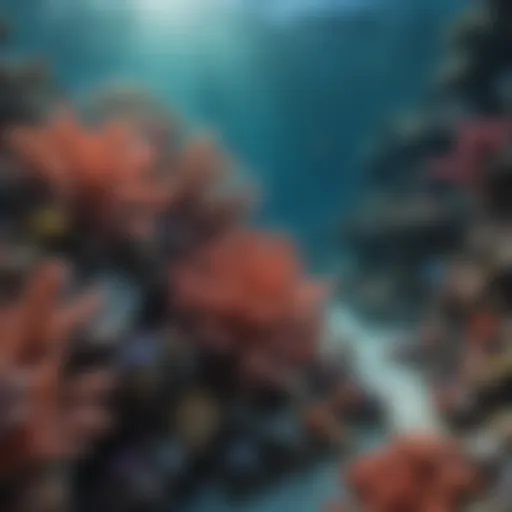
Furthermore, critical habitats for marine life, such as coral reefs, are often degraded due to pollution. Cleaner oceans are not merely a benefit for the environment but also essential for the sport of surfing itself. If beaches are littered and waters are unsafe, fewer individuals can access these surfing havens—adaptive surfers included.
A cleaner ocean means more surfers in the water, experiencing the thrill of riding waves and, in turn, advocating for better ocean stewardship.
In essence, addressing pollution is just as vital as adapting surfing equipment and methodologies. A holistic approach helps ensure that everyone can enjoy the waves safely and responsibly. Environmental considerations are central to fostering an inclusive and sustainable surfing community.
Future Directions of Adapted Surfing
Adapted surfing stands at a pivotal juncture where innovation and inclusivity converge, enhancing the future of the sport for individuals with varied abilities. As society progresses, the push towards inclusiveness becomes even more crucial. Not only does it empower individuals, but it also broadens the appeal of surfing as an activity that can unite different communities and foster lifelong connections. The importance of focusing on the future lies in laying a foundation that encourages adaptability and resilience in the face of challenges.
Technological Progresses
The landscape of adapted surfing is continuously being reshaped by technology. Innovations in surfboard design, such as the introduction of specialized adaptive boards, enable surfers with disabilities to experience the thrills of riding waves more safely and efficiently. These boards often come with features such as wider bases and adjustable foot straps that allow for greater stability and comfort.
Also, the use of wearable technology is gaining momentum. Gadgets like smart watches with health monitoring functions help track the vital statistics of surfers while out on the water, creating a more secure surfing experience. Adaptations in flotation devices, such as buoyancy vests that provide extra support, further enhance the safety measures for adapted surfers.
- 3D Printing: This newer technology allows for personalized equipment to be crafted based on individual specifications. It reduces the need for mass production, ensuring each piece of gear can cater to specific needs.
- Virtual Reality Training: This technology allows aspiring adapted surfers to boost their confidence. Through immersive experiences, they can practice techniques and familiarize themselves with different surf scenarios before ever hitting the waves.
These technological advances not only enhance safety and performance but also contribute to increasing participation rates in adapted surfing. This ripple effect can cultivate a culture of inclusion where everyone can enjoy the ocean regardless of their abilities.
Increasing Awareness and Advocacy
Raising awareness around adapted surfing is vital for its growth. Visibility can spark conversations and encourage surfers, instructors, and organizations to advocate for adaptive programs. The collective effort can lead to more community engagement and support, which is necessary for creating an inclusive surfing culture.
Local surf schools and organizations can play significant roles in this movement. For instance, by hosting events that showcase adaptive surfers, they can shine a light on their stories and achievements. This not only raises awareness but also helps to dispel misconceptions surrounding disabilities in sports. Here are a few strategies for fostering increased awareness:
- Social Media Campaigns: Platforms like Facebook and Instagram can showcase success stories and gather support. Engaging content, like videos of surfers navigating the waves, can be inspirational.
- Collaborations: Partnerships between surf brands and NGOs focused on adaptive sports can lead to increased funding and resources, amplifying the reach of adapted surfing initiatives.
- Advocacy Programs: Developing initiatives that delve into the legal aspects of accessibility within surf facilities is key. Important conversations at governmental levels can lead to enhanced funding for infrastructure modifications and supportive resources.
The future of adapted surfing is ripe with opportunities. With technological advances paving the way and advocacy efforts forging a strong community bond, the waves of inclusion will only grow stronger. As organizations continue to advocate for opportunities and accessibility, even the most challenging waves can be conquered.
Case Studies of Success
Diving into case studies of adapted surfing provides valuable insight into the impact of this inclusive movement. These stories are not just anecdotes; they represent the tangible benefits of surf therapy and community involvement. They show that with the right support and tools, anyone can experience the thrill of catching a wave, regardless of their physical or cognitive challenges. These narratives underscore the power of resilience and adaptation, illustrating how surfing transcends barriers and fosters a sense of belonging.
Personal Stories of Adapted Surfers
Each surfer has their own unique journey, often reflecting profound personal growth and acceptance. Take, for instance, the tale of Jenna, a woman who had lost her leg in a tragic accident. Initially reluctant to step foot on a surfboard, she found encouragement through a local adapted surfing program. After her first ride, she realized how the surf could be not just a sport but a metaphor for bouncing back from life's setbacks. Her instincts kicked in, and she found joy in the rush of riding the waves, a sensation she thought was lost forever.
Another remarkable story is of Tommy, a young boy on the autism spectrum. Surfing wasn’t just a hobby for Tommy; it became a medium of expression. His connection with the ocean improved his social skills and self-confidence. Thanks to a supportive instructor who tailored the experience to Tommy's needs, he learned how to ride the waves, bringing not just himself but his entire family closer.
These narratives paint a larger picture—one that goes beyond individual triumphs. They reveal how adapted surfing nurtures community ties. Every person's victory inspires others, creating a ripple effect that encourages more individuals to give surfing a try.
Notable Organizations Leading the Way
Several dedicated organizations have been pioneering efforts to support adapted surfing around the globe. Organizations like the Surf Therapy Foundation focus on providing programs that are designed for individuals with different abilities. They affirm that anyone can enjoy the thrill of surfing when provided with adaptive equipment and coaching.
Another notable force is Life Rolls On, which champions inclusion through adaptive surfing events. Their initiatives are not just about surfing; they also amplify awareness about adaptive sports. Through structured events, they skillfully include everyone, regardless of their physical conditions.
The Ocean Healing Group is also making waves by organizing surf camps for individuals with disabilities. Their well-rounded approach includes not just surfing but also educational workshops on ocean safety and the environment. They aim to instill a sense of respect for the ocean and the sustainability of natural resources.