The Aloha Flower Lei: Craftsmanship and Cultural Significance
Intro
The Aloha flower lei is more than just a necklace of beautiful blooms; it is a vibrant symbol deeply woven into the cultural fabric of Hawaii. Often seen draped around the necks of visitors or presented as gifts at special events, the lei represents an essence of hospitality, love, and connection that enriches the experience of both locals and tourists alike.
Leis are not merely decorative; they carry a sense of history that reflects the Hawaiian spirit. Understanding their significance begins with exploring the variety of flowers used in crafting them and the meticulous artistry involved in their creation. This article delves into the symbolism behind the lei, revealing its role in Hawaiian customs and contemporary celebrations. Whether one is attending a traditional luau or simply hoping to embrace the Aloha spirit, the lei remains an enduring emblem of Hawaiian identity.
From the materials sourced from nature to the methods artisans employ, our look into the Aloha flower lei promises insights into a craft that is both intricate and meaningful. Let’s embark on this journey to examine the significance, craftsmanship, and overall grandeur of the Aloha flower lei.
Historical Background of the Aloha Flower Lei
The exploration of the Aloha flower lei offers insights not just into a decorative piece of flora but into the very soul of Hawaiian culture. It serves as a cultural artifact that represents connections between people, nature, and the broader Hawaiian heritage. By tracing its historical roots, one can appreciate the depth and significance that the lei embodies.
Origins in Hawaiian Culture
The Aloha flower lei traces its foundation in the rich tapestry of Hawaiian identity. Before Western influence, ancient Hawaiians used leis made from natural elements, primarily flowers, to signify beauty, love, and respect. These early leis weren’t merely ornamental; they served social functions — often given during significant life events like births, weddings, and funerals. As tradition states, wearing a lei was a privilege reserved for elders, chiefs, and those of high stature. One can imagine wandering through a vibrant market in Honolulu, where the air is thick with the sweet scent of plumeria and ohia lehua, each lei carefully crafted, symbolizing stories and histories much deeper than the vibrant blooms.
Evolution Over Time
As time marched forward, so did the craftsmanship behind flower leis. While maintaining their traditional roots, Hawaiian culture began to embrace outside influences, shaping the composition of the lei. The introduction of new flower species, partly due to trade and travel, brought versatility to lei-making. Today, it's not uncommon to find leis that incorporate ingredients from various locales, bringing a mosaic of colors and scents together. This evolution is not just about floral choices but also technique; the methods of creating a lei have been adapted over generations. Some craftspeople have leaned into modern styles while others stick with the age-old techniques, showcasing a delightful blend of history and innovation.
Cultural Significance of the Lei
Diving into the cultural significance of the lei reveals its role as a symbol of Aloha itself. To many, the lei encapsulates the spirit of hospitality, warmth, and love that Hawaii is renowned for. It’s more than a seasonal trend or a tourist attraction; it’s a vibrant token of appreciation and goodwill. Whether draping a lei around someone's neck at a gathering or presenting one as a gift, it's a gesture that conveys heartfelt respect and kindness.
Furthermore, the lei plays a crucial role in rituals and celebrations, including the beloved hula dances or the making of offerings. Interestingly, at events like graduations and weddings, the act of giving leis takes on a multilayered significance, marking transitions and achievements across the journey of life.
"A lei is not just a garland; it’s a living testament to moments, emotions, and connections that unite us."
In essence, the Aloha flower lei is a reflection of Hawaiian heritage, celebrating the bonds we share with one another and the environment. With every fresh bloom strung together, we stitch together history, culture, and identity, making each lei a living piece of art.
Varieties of Flowers Used in Aloha Leis
The Aloha flower lei is not just a piece of floral ornamentation but a vibrant representation of Hawaiian culture and heritage. The flowers selected for these leis convey meanings, beauty, and local traditions. Each flower plays a role, bringing its own unique story and significance to the lei. Understanding the varieties used in the making of Aloha leis enables deeper appreciation and respect for this rich cultural artifact.
Common Floral Choices
When delving into the world of Aloha flower leis, several floral choices emerge as consistently popular. These flowers are preferred not just for their aesthetic appeal, but also for their cultural resonance.
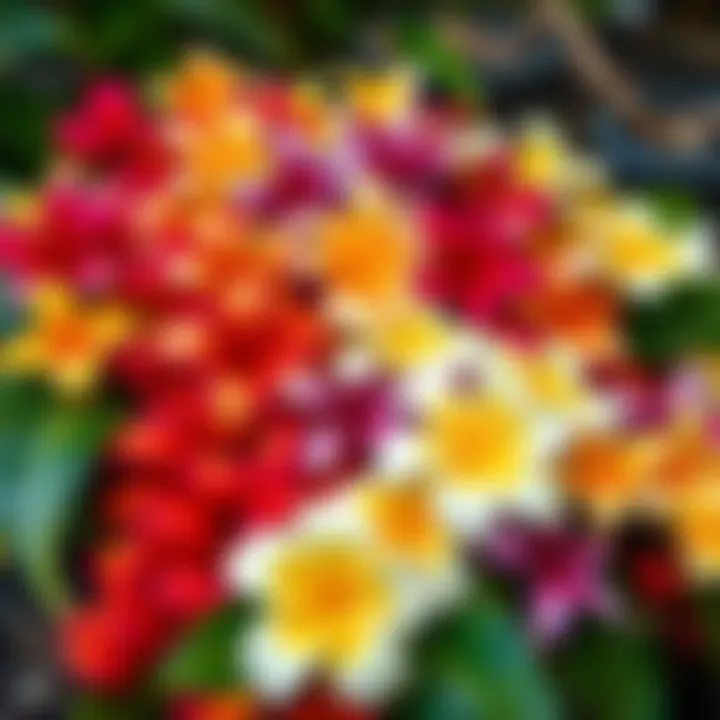
- Plumeria: Often associated with island beauty and love, plumeria comes in various shades like white, pink, and yellow. It is perhaps the most iconic flower in Hawaiian leis.
- Tuberose: Known for its sweet fragrance, tuberose adds a wonderful scent to leis. People often use it in significant life events, highlighting its intimate connection to love and remembrance.
- Orchid: Offering a wide range of colors and patterns, orchids symbolize beauty and sophistication. Their durability ensures that leis can last, making them a favored choice for celebrations.
- Ti Leaves: While not a flower, the ti leaf is vital in lei-making, often used as a base or to add greenery. Its use is steeped in tradition, representing protection and good fortune.
Each flower, with its own tale and significance, comes together to create a lei that tells a story and embodies the spirit of Aloha.


Regional Distinctions
Hawaii is composed of several islands, each with its own unique ecosystems that influence the types of flowers available and favored in lei-making. For example, on the Big Island, you may find yellow hibiscus commonly used, symbolizing the beauty of the land and its abundant flora. In contrast, the island of Kauai is known for its use of bamboo and native ferns, allowing artisans to craft leis that reflect the lush landscape.
Different regions embrace specific flora, allowing for a personalized touch in their leis. Knowing which flowers are native or prevalent in each area helps highlight the local culture and practices.
Seasonal Availability of Flowers
Flowers bloom according to seasons, and this affects their availability for lei-making. Depending on the time of year, artisans may have to rely on different flower options:
- Spring: Often associated with rebirth, flowers such as plumeria and frangipani flourish during this time and are widely used in leis.
- Summer: The warm months bring an explosion of color, where flowers like gardenias and red ginger become prevalent.
- Autumn: Some flowers like Hawaiian ti leaves can be harvested during this season, ensuring that leis remain vibrant even as the year winds down.
- Winter: Certain native Hawaiian plants may bloom less frequently, and artisans might resort to preserved or dried flowers for crafting during this period.
Understanding the impact of seasons in flower selection not only showcases the ecological aspects of Hawaiian flora, but it also emphasizes the skill and adaptability of the lei-makers who honor this dynamic natural world in their crafts.
"The lei is more than just a garland of flowers; it is an echo of cultural narratives woven through each petal, leaf, and stem."
By fully appreciating the varieties of flowers used in Aloha leis, one gains profound insight into the craftsmanship and cultural significance of this cherished Hawaiian tradition.
Craftsmanship and Techniques in Lei-Making
When it comes to the Aloha flower lei, craftsmanship isn’t just a skill; it’s a vital piece of the cultural mosaic that makes these floral garlands so special. The artistry behind lei-making reflects the values and traditions of Hawaiian society, making it a cornerstone of cultural identity. Understanding the techniques involved provides insight into the hours of labor and passion poured into each creation, which is more than just a beautiful accessory; it embodies a deep-rooted tradition and a symbol of affection.
Traditional Lei-Making Techniques
Traditional methods of lei-making hold an abundance of techniques that have been passed down through generations. Back in the day, the process was often a family affair, with elders teaching the younger ones about selecting the right flowers and stringing them together in a way that reflects not just skill but also love and intention. Among these techniques, common practices include the use of knotted styles and the incorporation of specific patterns.
Here are some traditional styles often used:
- Kīpuka: This involves tying flowers tightly together to create a dense, lush appearance.
- Haku: A method that mixes flowers, leaves, sometimes even berries, to create vibrant arrangements.
- Hawaiian-style braided leis: This is typically a braided style using the long flowers and leaves, which creates an elegant, flowing design.
Each lei tells a unique story through its design, showing how a simple garland can also encompass values like family, respect, and love.
Modern Innovations in Crafting Lei
As times change, so does the art of lei-making. Innovations have crept into the crafting process, incorporating both contemporary styles and technology. Nowadays, you might see leis that include artificial flowers, which extend the lifespan of a lei without compromising on aesthetics. These synthetic flowers can be fashioned to look incredibly realistic and are often used in large-scale events, allowing for stunning visual displays without worrying about wilting.
Additionally, some artisans have begun experimenting with new materials such as ribbons, beads, and shells to create distinctive designs that showcase their creativity. This blend of tradition with modern ideas ensures that while the essence of the lei remains intact, there is room for artistic expression and adaptation.
The Role of Community in Lei Production
In Hawaii, the act of making leis is often a communal effort. Community involvement brings people together, strengthening bonds among friends and family. Local gatherings may involve workshops where individuals share techniques and stories, fostering a sense of togetherness.
Moreover, community involvement can also be seen in events like Lei Day, where residents come together to celebrate the lei culture through competitions and communal crafting sessions. This inclusivity not only preserves the practices involved in lei-making but also reinforces the idea that these creations are not just for individual adornment but also symbols of unity and Aloha spirit among the people. It reminds everyone that they play a part in keeping the tradition alive.

"Crafting a lei is much more than just creating a flower garland; it's an expression of our love for each other and our commitment to our culture."
In essence, the craftsmanship behind lei-making is a fascinating blend of old and new, seen through traditional techniques and modern innovation alike. Engaging the community in this beautiful art form keeps the spirit of the lei vibrant and living.
Cultural Symbolism and Meaning
The Aloha flower lei goes beyond being a simple adornment; it embodies the essence of Hawaiian culture and values. It serves not only as a beautiful accessory but also resonates deeply with the principles of aloha, representing love, peace, and compassion. The craftsmanship involved in creating leis is a testament to the values of dedication and connection to the land. With each flower strung together, the lei carries a narrative that speaks to the spirit of the islands.
Lei as a Symbol of Aloha
The term "aloha" itself reflects warmth and friendliness, creating a strong bond between individuals. When one gifts or wears a lei, it signifies affection and regard. Each flower can carry its own meaning; for instance, a lei made of plumeria might express joy, while a maile lei could symbolize respect and honor. A lei is often present during significant moments in life, such as graduations or weddings, enhancing the feelings of goodwill and unity. This symbolism reinforces interpersonal relationships, essentially functioning as a bridge that connects the giver and recipient.
Use in Rituals and Celebrations
Leis find a central role in various Hawaiian rituals and celebrations. During hula performances, participants often adorn themselves with leis, giving color and vibrancy to the dances. They are also integral to traditional ceremonies like weddings, where they symbolize the binding tone of love and commitment. In such contexts, leis serve as more than decorative pieces; they are infused with emotions and stories, linking the present to the past.
"The lei is a celebration of life itself, bridging generations and cultures."
Additionally, leis are central to welcoming ceremonies, known as "hawaiian lei greeting." As visitors arrive on the islands, receiving a lei represents a warm embrace of hospitality and a heartfelt welcome. This tradition emphasizes the importance of relationship-building and community within Hawaiian culture.
Lei in Hawaiian Identity
The lei is a significant representation of Hawaiian identity, sine it encapsulates history, tradition, and pride. It reflects the rich diversity of flora that the islands possess, symbolizing how local plants contribute to the cultural tapestry. For many Hawaiians, crafting leis goes beyond a hobby; it is a means of preserving heritage, passed down through generations. Many families have their own unique styles and patterns of making leis, linking their identity to a broader narrative of the Hawaiian people.
Wearing a lei can also invoke a sense of belonging. It is often worn during community gatherings, sports events, or cultural festivals, reminding everyone of the shared values and collective history they hold. In this sense, the lei is more than a decorative element; it is a vital thread in the fabric of Hawaiian culture.
The Modern Context of Aloha Leis
In today's world, the Aloha flower lei has transcended its traditional roots to take on new significance in various sectors, especially tourism and hospitality. This transformation highlights the lei’s evolving role, reflecting both appreciation for Hawaiian culture and the complexity of commercialization. Understanding this modern context is vital for recognizing how these floral adornments navigate through the intersections of authenticity, meaning, and consumerism.
Leis in Tourism and Hospitality
The Aloha flower lei is perhaps most recognizable in the tourism industry. Visitors arriving in Hawaii are often greeted with a warm smile and a lei draped around their necks. This gesture is not merely a formality; it embodies the spirit of hospitality that Hawaii is known for. When travelers wear a lei, they are not just wearing flowers; they are participating in a cultural tradition that goes back generations.
For tourism, the lei represents a tangible connection to Hawaiian culture, allowing visitors to experience a piece of this vibrant heritage firsthand. From romantic weddings to corporate events, leis have become a staple decoration, symbolizing love, acceptance, and celebration in all sorts of gatherings. Tour guides often share stories about the significance of different flowers used in the leis, helping tourists appreciate the deep cultural nuances behind such simple floral arrangements.
Commercialization vs. Authenticity
The commercialization of the Aloha flower lei poses a double-edged sword. While it promotes Hawaiian culture globally, it can also lead to the dilution of its meanings. The mass production of leis for tourists sometimes prioritizes accessibility and profits over tradition and authenticity. In many shops, one might see a variety of leis made from synthetic flowers or lower-quality materials marketed as 'authentic,' which raises concerns about cultural appropriation and the preservation of island heritage.
Local artisans strive to maintain the traditional methods of lei-making, emphasizing the craftsmanship involved. Many workshops teach both locals and tourists how to make leis, facilitating a better understanding and appreciation of this art form. Thus, while commercialization can provide economic benefits, it is essential to strike a balance to honor the authenticity behind the lei's cultural significance.
Leis as Souvenirs vs. Cultural Artifacts

When considering the lei as a souvenir, one must differentiate between what serves as a mere token from a trip versus what holds deeper cultural meaning. Many tourists purchase leis purely as mementos, often overlooking the considerable significance they hold within Hawaiian culture. A lei gifted between friends, for instance, represents a bond that goes beyond a simple accessory.
Cultural artifacts are imbued with history and significance; they tell a story rooted in tradition. Unlike common souvenirs, which may end up forgotten in a drawer, a lei can remind individuals of love, respect, and the Aloha spirit — if treated with reverence. Engaging in discussions about the lei's meaning while one is in Hawaii helps enrich the travel experience, transforming a simple souvenir into a cherished cultural artifact.
"Aloha is often more than just a greeting; it's a way of life that encompasses love, peace, and compassion — a spirit reflected in the lei's delicate blooms and intricate craftsmanship."
As we continue to reflect on the Aloha flower lei's role in modern society, it becomes increasingly clear that understanding both its commercial significance and its cultural depth is crucial. By fostering conversations around these themes, we can ensure the enduring legacy of the Aloha flower lei thrives well into the future.
Environmental Considerations
Understanding the environmental considerations associated with the Aloha flower lei is crucial in appreciating its significance beyond cultural roots. As the world increasingly acknowledges the need for sustainable practices, the ways in which leis are produced, the sourcing of materials, and community conservation efforts come into sharp focus. These elements not only influence the longevity of this traditional craft but also underscore the need for harmony with nature.
Sustainability in Lei Production
Sustainability in lei production goes beyond just using eco-friendly materials; it encompasses a whole philosophy about the relationship between people and their environment. Traditionally, flower leis were made from blooms gathered with respect for nature, emphasizing a sense of stewardship over the land. Modern practices seek to emulate this approach.
- Renewable Resources: Using flowers that can be cultivated sustainably is key. For instance, choosing to use native flora like plumeria or pikake reduces pressure on wild populations and supports local agriculture.
- Chemical-Free Techniques: Many traditional lei makers still shun pesticides and heavy fertilizers, opting for organic methods that promote healthy soil and preserve the surrounding ecosystem.
- Education and Awareness: Workshops informing both practitioners and tourists about sustainable practices help cultivate a responsible approach to lei-making, ensuring that its beauty can continue to be appreciated for generations.
Impact of Flower Sourcing on Ecosystem
When sourcing flowers for leis, the choice of species and the method of collection holds significant implications for the ecosystem. Unsustainable practices, such as over-harvesting certain flowers, can threaten local biodiversity and disrupt ecological balance. Some specific impacts include:
- Habitat Destruction: Removing native plants can lead to a decline in local wildlife, as many animals depend on these plants for food and shelter. This unravels the intricate web of life that thrives in these habitats.
- Invasive Species: If sourced flowers are not local species, the introduction of non-native plants can lead to invasive growth, which may outcompete indigenous flora, further straining the local ecosystem.
- Pollinator Health: The choice of flowers can either support or harm local pollinator populations like bees and butterflies. For example, opting for flowers that attract these creatures increases biodiversity in the area, benefiting overall ecosystems.
Community Initiatives for Conservation
Community initiatives focused on conservation represent a beacon of hope for the future of flower leis and Hawaii's diverse landscapes. Local organizations are stepping up, teaching sustainable practices and fostering environmental stewardship.
- Cultivation Programs: Many communities run flower gardens where lei makers can grow native plants. These 'lei gardens' serve the dual purpose of providing materials for crafts while educating the public about local species.
- Awareness Campaigns: Workshops and educational outreach are vital in nurturing a culture of sustainability. By promoting the value of local resources, communities can encourage responsible sourcing and conservation efforts.
- Partnerships and Collaborations: Join forces with environmental groups to ensure that the practices surrounding lei-making are aligned with ecological preservation. This can include everything from organizing clean-up events to planting days where participants are engaged in re-establishing native flora.
"The Aloha spirit resonates in our connection with the land; nurturing it ensures that we keep the essence of our culture alive."
In summary, the environmental considerations surrounding the Aloha flower lei intertwine closely with sustainability, ecosystem impact, and community involvement. By prioritizing these aspects, we not only ensure the survival of a treasured cultural symbol but also honor the land that supports it.
Ending
The significance of the Aloha flower lei stretches far beyond its beautiful aesthetic. It embodies elements of Hawaiian culture, tradition, and community spirit. Understanding the lei's construction and its role in various ceremonies offers a lens into the Aloha spirit—a philosophy of love, peace, and compassion. As we reflect on this, it's paramount to acknowledge how these flowers, handpicked and meticulously threaded together, tell stories of connection among friends, family, and even strangers.
Reflection on the Aloha Spirit
The Aloha spirit is, at its core, about sharing love and warmth with others. When one dons a lei, it’s not just an accessory; it’s a symbol of welcome, respect, and affection. In gatherings—be it a wedding, graduation, or a simple luau—the exchange of leis signifies a bond that transcends words. This sacred act reflects the islanders’ deep respect for nature and the community, showing that every flower carries a piece of one's heart.
The significance of the Aloha spirit also extends to how it can transform individual experiences into collective celebrations. The leis often mediate interactions among various ethnicities on the islands, fostering unity amid diversity. Each lei given or received is a moment frozen in time, a gesture that fosters goodwill and invites a connection, whether between locals or visitors. A moment wrapped in a lei turns into a lasting memory.
Legacy of the Aloha Lei
As we explore the legacy of the Aloha Lei, it’s clear that these floral adornments are not just physical objects but living traditions. Passed down through generations, the craftsmanship involved in making leis preserves historical techniques while adapting to modern contexts. This evolution signifies resilience and creativity in Hawaiian culture, ensuring that the lei remains relevant to both locals and visitors.
Moreover, the Aloha lei has gained international recognition. It stands as a symbol of Hawaii on the global stage, often appearing in events far from its origin. From being a commonplace accessory at celebrations to becoming a staple in tourist economies, the lei reflects a balance of respect for tradition while embracing new avenues for expression.