Exploring the Intricacies of Kitefoiling as a Watersport


Intro
Kitefoiling is becoming increasingly popular, captivating both novice enthusiasts and seasoned athletes alike. This thrilling sport marries the adrenaline rush of kiteboarding with the unique lift offered by a foil, allowing riders to glide above the water's surface. It is a sight to behold as these athletes harness wind power, performing tricks and maneuvers that were once thought impossible. So, what draws so many to this exhilarating pastime? Understanding its intricacies, from its gear and techniques to safety and environmental impact, is essential for anyone keen to explore this appealing world.
Surf Gear and Equipment
Latest Surfboard Technologies
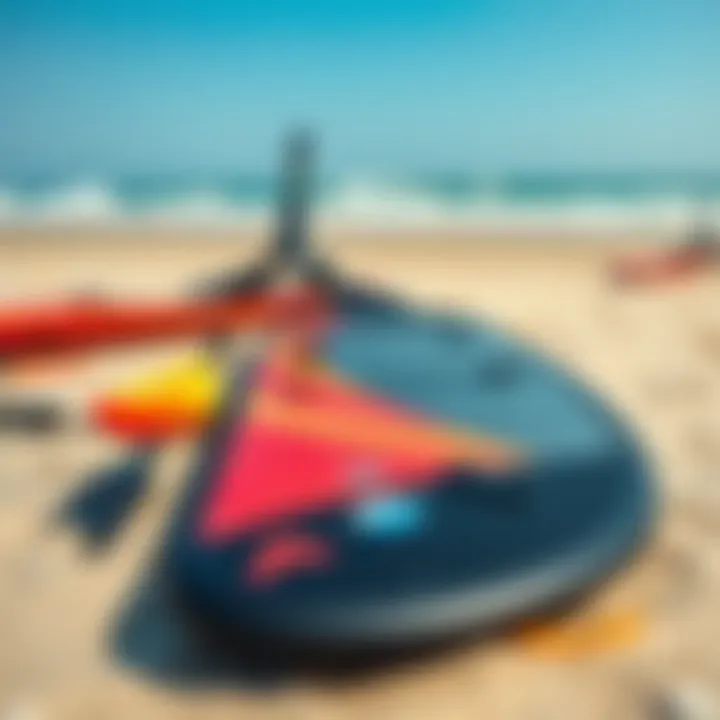
When it comes to kitefoiling, the gear you select can make all the difference between flying through the air or sinking like a stone. The boards have evolved dramatically, integrating cutting-edge technology and design principles. Most modern kitefoil boards aim to strike a balance between stability and performance. Generally crafted from lightweight materials, they often utilize carbon fiber or high-density foam to ensure durability while minimizing weight. This allows riders to achieve optimal balance and agility on the water.
Additionally, a notable trend has been the introduction of multi-purpose boards. These boards are designed to perform well in various conditions, making them ideal for both flat water and choppy seas. Brands like Duotone and Naish are pushing boundaries by incorporating innovative shapes, improving hydrodynamics, and experimenting with tail and rail designs, significantly enhancing maneuverability.
Essential Accessories for Surfers
No kitefoiling setup is complete without a handful of essential accessories. Here are some that every kitefoiler should consider:
- Kite Control Bar: A quality control bar ensures precise kite handling, enabling quicker reactions to changing wind conditions.
- Safety Leash: This is crucial for ensuring that the kite doesn’t get away from you, especially during unexpected crashes.
- Foils: Choosing the right foil isn't just about style; the type and size dictate how easily you lift off from the water. Today’s foils come in various configurations, with options for different riding styles and conditions.
- Harness: Comfort matters. Finding a well-fitted harness can prevent discomfort and injuries during long sessions.
- Wetsuit: Depending on the region's water temperatures, a suitable wetsuit can protect from cold and improve buoyancy.
"The right gear can pivot you from simply riding to dancing over the waves."
Techniques and Skills
Wave Riding Strategies
As the wind catches your kite and you rise above the water on your foil, the question turns to technique. Mastering wave riding in kitefoiling is not just about power; it’s about finesse. Riders employ various techniques to navigate waves intelligently, pressuring their back foot for control while allowing the front to remain buoyant. Additionally, working the kite in sync with the board is vital; an experienced rider constantly adjusts the kite’s position relative to the wave to maintain speed and lift. This interaction calls for sharp instincts and a responsive touch.
Safety and Surf Etiquette
As captivating as kitefoiling may be, safety remains paramount. Understanding fundamental safety measures not only protects you but enhances the experience for everyone on the water. Always don a safety harness and leash to mitigate risks during mishaps. Familiarize yourself with the wind conditions before heading out: knowing when to stay on shore is wise.
Practicing good surf etiquette is crucial, as kitefoilers often share spaces with other water sports enthusiasts. Always give way to surfers riding waves at an angle and avoid crowded areas to minimize hazards. Communication with fellow riders enhances safety and fosters a more enjoyable environment for all.
Epilogue
Whether you're a curious onlooker or ready to hit the water, the beauty of kitefoiling lies within its complexities. Delving into the right gear, honing crucial skills, and adhering to safety protocols will not only elevate your experience but also contribute positively to the kitefoiling community. As you embark on your kitefoiling journey, keep an open mind and embrace the learning curve—it's all part of the ride.
Preamble to Kitefoiling
Kitefoiling is a mesmerizing blend of skills and physics that captivates not just the adrenaline junkies among us, but also those with a keen interest in exploration and nature. It’s more than just a sport; it’s a dance with the wind and water, pushing the limits of what we thought was possible on a board. In this section, we delve into the fundamental aspects of kitefoiling, covering everything from its definition to its rich, complex evolution. Understanding these nuances lays the groundwork for appreciating the sport deeply, revealing not just its technicalities, but the lifestyle it encompasses.
Defining Kitefoiling
Kitefoiling involves harnessing the power of a large kite to lift a specially designed board above the water's surface. The foil—specifically crafted to create lift through its unique hydrofoil design—allows riders to glide with minimal resistance, achieving speeds that might leave an ordinary surfer in a wake of spray. While kites have been around for decades, the integration of hydrofoils has taken this watersport to exhilarating new heights.
In practical terms, kitefoiling can be described as:
- Dynamic: Kitefoiling invites users to tap into their physicality and environmental awareness, adjusting to ever-changing wind and water conditions.
- Agile: With the ability to skim just above the water, riders navigate through narrower passages and complex environments, enhancing accessibility.
- Progressive: The focus on innovation fosters a community that aims for continuous learning and improvement, encouraging both seasoned athletes and novices to delve in.
The Evolution of Kitefoiling
The story of kitefoiling is a tapestry woven from passion, ingenuity, and a touch of rebellion against conventional watersports. Emerging in the 1990s, kitefoiling began as an experiment, marrying traditional kiteboarding techniques with the hydrofoil's lift-generating properties. Early adopters, eager to push their limits, quickly realized the benefits of foils: gliding effortlessly above choppy waters and upping the ante on speed.
Over the years, innovations in materials and design have only added to the allure of kitefoiling. Gear has progressed significantly from the days of heavy, cumbersome setups to lightweight, cutting-edge equipment that allows riders to perform high-flying stunts or navigate through difficult conditions with ease.
Some key developments in this evolution include:
- Material advancements: The transition from often bulky materials to lighter, stronger composites has made kitefoils more efficient and user-friendly.
- Increased accessibility: Growth in instructional programs and resources has made it easier for newcomers to join in the excitement of kitefoiling, diminishing the steep learning curve.
- Technological integration: Modern kites come equipped with features like adjustable aspect ratios and unique designs that enhance stability and performance in various winds.
Understanding these facets of kitefoiling builds a solid foundation as we explore deeper into the mechanics, essential gear, techniques, and culture that shape this incredible sport.
As kitefoiling continues to evolve, it not only challenges the boundaries of what’s possible on water but also unites diverse communities under a common passion for adventure and the ocean.
To learn more about the historical context of kitefoiling, you may visit Wikipedia's Kiteboarding page or read through personal accounts and discussions on Reddit's Watersports forum.
Understanding the Mechanics
In kitefoiling, understanding the mechanics is foundational. This knowledge not only enriches one’s experience but also enhances performance and safety on the water. Kitefoiling intricately combines the principles of aerodynamics and aquatic dynamics, crafting a unique interaction between wind and water. By grasping these concepts, a kitefoiler can make informed decisions about gear, technique, and safety, ensuring a highly rewarding experience.
The Kite's Role in Flight
The kite serves as the engine of kitefoiling. Its design and efficiency in harnessing wind are what propel the rider across the water. The kite generates lift and thrust, allowing the kitefoiler to glide above the waves. Several factors influence a kite's effectiveness:
- Shape: The shape of a kite affects its aerodynamics. Common shapes include delta, bow, and C-kites, each catering to different riding styles and wind conditions.
- Size: Larger kites catch more wind but can be harder to control in strong conditions. Smaller kites are easier to manage but may lack power in light winds.
- Angle of Attack: The angle relative to the wind direction determines lift. A proper angle can result in smoother ascents and controlled descents.
The kite’s performance isn't limited to just wind speed; its responsiveness to the rider's input is crucial. This interaction can mean the difference between a smooth ride and a turbulent one, making familiarity with kite control vital for anyone serious about this sport.
Foil Technology Explained
Foil technology is another key component that defines kitefoiling. Foils enable the rider to lift above the water, significantly reducing drag and increasing speed. A basic understanding of foils helps in selecting the right one:
- Front Wings: The shape and size are pivotal. A larger front wing provides more lift at lower speeds but may be less maneuverable. Conversely, a smaller wing allows for quicker turns but requires more speed to generate lift.
- Fuselage: This connects the front and back wings. Its length affects stability and how the kitefoiler can maneuver.
- Rear Wings: These assist in balancing the foil. Adjusting the size and angle can fine-tune responsiveness and stability.
Each rider will find that no two foils perform exactly the same in varying conditions. Testing different equipment can lead to finding the sweet spot that matches one’s personal style and the environment.
Water Dynamics and Lift
Lift in kitefoiling is not just a matter of wind; water dynamics play a significant role. Understanding how water behaves beneath a rider is essential for maximizing lift and minimizing drag:
- Displacement: As the foil cuts through the water, it displaces water, creating pressure differentials that help lift and reduce resistance.
- Wave Type: Different types of waves can either lift a foil or make it unstable. Knowing how to read water conditions can improve performance dramatically.
- Speed: Increased speed leads to enhanced lift. It's a balancing act—too slow and the foil will breach the surface; too fast can cause loss of control.
"Understanding the water dynamics is like learning to dance. You must know the rhythm and flow to truly enjoy the experience."
Essential Gear for Kitefoiling
Kitefoiling, an exhilarating blend of surfing and kiteboarding, demands not just skill but also the right gear to truly take flight. Without the proper equipment, even the most adept practitioners may flounder. The choice of gear can significantly affect performance, safety, and overall enjoyment of the sport. Here, we’ll break down the essential elements that kitefoilers need, focusing on kites, foil boards, and safety equipment, highlighting their benefits and practical considerations.
Types of Kites
When it comes to kitefoiling, the kite itself is the primary tool for propulsion, so it’s crucial to choose wisely. There are generally three types of kites to consider: inflatable kites, foil kites, and hybrid kites. Inflatable kites provide a good balance between power and stability. They are often forgiving for beginners, adapting well to varying wind conditions. Foil kites, on the other hand, are often lighter and can generate lift at lower wind speeds, but they may require a learning curve to control effectively. Lastly, hybrid kites merge characteristics of both inflatable and foil kites, appealing to a wide range of riders. The best choice depends on individual preference, skill level, and often, the prevailing wind conditions.
Selecting the Right Foil Board
The foil board is another key component in kitefoiling. It enables riders to lift out of the water, creating a unique sensation akin to flying over the surface. Boards are usually categorized by size and shape; shorter boards offer nimble control but may be less stable during initial learning phases. In contrast, longer boards provide better flotation and stability but can feel cumbersome for rapid maneuvers. Riders need to consider weight, intended use (freestyle, racing, or cruising), and personal comfort level when choosing the right foil board.
Safety Equipment Required
Safety is paramount in kitefoiling, where the interplay of wind, water, and equipment can lead to situations requiring rapid response. Below, we explore three critical pieces of safety gear:
Helmets
Wearing a helmet might seem basic, but its importance cannot be overstated. A good helmet protects against impacts from falls or collisions with other objects or people in the water. Many helmets are designed specifically for water sports, featuring materials that resist water and provide buoyancy. Choosing a lightweight, snug-fitting helmet with ventilation holes for breathability is ideal; this comfort factor enhances the likelihood of consistent wear. Furthermore, helmets often come with detachable visors, providing flexibility in variable weather conditions.
Impact Vests
An impact vest serves a dual purpose: it cushions impacts during falls while also offering flotation assistance. Unlike life jackets, impact vests are streamlined, allowing for mobility. When selecting one, look for a vest that fits snugly but doesn’t restrict movement. A good impact vest often includes additional features, like pockets for small items or integrated harness systems. Ultimately, its flexibility and protection level make it an indispensable choice for kitefoilers, boosting confidence and safety on the water.
Leashes
Leashes are a vital piece of safety equipment, connecting the rider to their gear. They help prevent the board from drifting away in case of a fall. A good leash is typically made of durable materials that can handle tension while remaining lightweight. Ideally, leashes should have a quick-release mechanism to ensure riders can detach quickly if necessary. Choosing the right leash is important, as it can have major implications for both convenience and safety. An effective leash provides peace of mind, contributing to a better kitefoiling experience.
Investing in quality gear not only enhances performance but serves as a safety net for kitefoilers navigating both calm and challenging waters.
In summary, choosing essential gear for kitefoiling means carefully weighing the options for kites, selecting the appropriate board, and outfitting with the necessary safety equipment. A well-rounded understanding of these elements enriches the kitefoiling experience while elevating personal safety to paramount levels.
Techniques and Skills Development
Developing techniques and enhancing skills in kitefoiling isn't just about the thrill of gliding gracefully over water. It's about mastering the fundamental elements that transform a novice into an accomplished rider. Without sound techniques, even the best gear can feel like a burden rather than an instrument of joy. In this section, we delve into the significance of techniques and skills development, exploring essential maneuvers, advanced techniques, and effective training tips to bolster both safety and performance.
Basic Maneuvers


When one embarks on the kitefoiling journey, it's crucial to start with the basics. Mastering fundamental maneuvers lays the groundwork for more advanced skills. Here are some essential maneuvers:
- The Water Start: This is typically the first maneuver every kitefoiler learns. It involves harnessing the kite's power to lift off the water by strategically positioning your body and board.
- Gybing and Tacking: These two maneuvers allow a kitefoiler to change direction. Gybing typically occurs when sailing downwind, while tacking is performed when going upwind. Practicing these moves builds confidence and control.
- Riding with One Foot Strapped: A step for many towards advanced techniques, riding with one foot out of the strap offers better balance and helps in falling less often.
Every rider must practice these first steps. The benefits are immense. Not only does it help build muscle memory, but it also fosters an understanding of how the kite interacts with the wind.
Advanced Techniques
Once the basics are second nature, kitefoilers can explore more advanced techniques. These maneuvers not only challenge existing skills but also enhance one's ability to adapt to changing conditions on the water. Here are some advanced techniques:
- Jumping: Achieving air time requires skill in timing and kite positioning. This can be exhilarating, but it demands a confident understanding of the kite's power zone.
- Board-offs: This technique involves detaching one or both feet from the board during a jump. It's a show-off skill that speaks to confidence and finesse, often leaving an impressive mark on observers.
- Surf Foiling Transitions: Mastering transitions between kitefoiling and surf foiling can open new worlds, combining styles that aren’t typically seen together.
The growth that comes with mastering these maneuvers is multifaceted. Not only does it breathe excitement into sessions, but it also significantly increases safety by allowing greater control and balance.
Training Tips for Improvement
Improvement doesn’t solely come from practice on the water. Here are some training tips to enhance skills and techniques:
- Set Realistic Goals: Break down skills into manageable objectives. Focus on one maneuver at a time instead of overwhelming yourself.
- Record Your Sessions: Video analysis can provide visual feedback, helping to identify areas needing improvement.
- Engage with the Community: Local clubs or groups often hold meet-ups where riders can share tips or have friendly competitions. Being part of a community fosters learning.
- Cross-Training: Activities like yoga can improve balance and flexibility, aspects crucial for kitefoiling.
"Practicing small techniques daily results in tremendous growth over time. Consistency is key!"
The journey of mastering kitefoiling is one of dedication and exploration. As riders polish their skills through these basic and advanced techniques, they inevitably enrich their experiences on the water, fostering a deeper connection with the sport.
For more insights on techniques and community tips, sites like reddit.com and facebook.com can be valuable resources.
Safety Considerations
When participating in kitefoiling, safety becomes paramount. It’s not just about the thrill of soaring over water; understanding the various safety protocols can make a significant difference between a good day on the water and an unfortunate accident. Kitefoiling encompasses elements of risk, especially due to the interaction of wind and water. Hence, acknowledging safety considerations is not only wise; it's essential for preserving the activity that kitefoilers love.
Understanding Weather Conditions
Choosing the right day for kitefoiling is akin to picking a ripe fruit; timing is everything. Weather conditions can drastically affect the safety of any water sport. Winds can shift, currents can take unexpected turns, and storms can brew without much warning. Kitefoilers need to be adept at reading wind patterns and recognizing signs of changing weather.
Some important factors to focus on include:
- Wind Speed: Ideal wind ranges for kitefoiling are usually between 12 to 25 knots. Winds lighter than this might not produce enough lift, while stronger winds can be quite dangerous for inexperienced riders.
- Weather Forecasts: Before heading out, it is beneficial to check reliable forecasts from services like NOAA's National Weather Service or Windy.com for real-time updates.
- Temperature and Sun Exposure: Being mindful of temperature is crucial, especially during the summer months. Sunburn or heat exhaustion can be just as sinister as rough water conditions.
Identifying Hazards on the Water
When you’re out on the water, being aware of potential dangers is akin to navigating through a maze. Even experienced kitefoilers can encounter risks that, if overlooked, may lead to serious mishaps. Common hazards include:
- Obstructions: Rocks, reefs, and other watercraft can pose significant threats. Always know the area you are riding in and keep an eye out for any unexpected hurdles.
- Watercraft Traffic: Large boats, jet skis, and paddle boarders can easily be distracted. It’s essential to have situational awareness and maintain a safe distance.
- Changing Water Conditions: Tides can shift rapidly, impacting both wind patterns and potential obstacles. Being conscious of local tidal patterns is vital.
"In the world of kitefoiling, awareness of your environment can be the thin line between exhilaration and a eureka moment gone wrong!"
Emergency Protocols
Even with the best-prepared plans, accidents can happen. Therefore, knowing what to do in case of an emergency can save lives. An effective emergency protocol involves preparation and practice, which consists of the following:
- Communicate with Others: Before going out, let someone know your plan. Ensure you have a reliable way to communicate, like a phone in a waterproof case.
- Have a Rescue Plan Ready: Whether it involves a buddy system or understanding the local rescue services, having a clear plan is essential. Establish emergency signals, like waving your arms or popping a bright signal flag.
- First Aid Kit: Keeping a compact first aid kit handy ensures that minor injuries can be attended to right away.
In summary, kitefoiling is not just throwing caution to the wind but involves meticulous planning and respect for nature’s whims. A wise kitefoiler embraces knowledge of weather, hazards, and emergency protocols, ensuring that each ride is thrilling yet safe.
Environmental Impact of Kitefoiling
Kitefoiling stands at the fragrant intersection of thrill-seeking and environmental consciousness. While riding the wind and waves offers unparalleled freedom and enjoyment, it’s crucial to cast a discerning eye on how these activities affect our blue playground—our oceans. The environmental impact of kitefoiling brings to light various considerations encompassing marine ecosystems, sustainability practices, and the responsibilities of participants.
Effects on Marine Life
Kitefoiling can have both direct and indirect consequences on marine life. When a foil board skims over the surface of the water, it does so quite silently, which can be a double-edged sword. On one hand, the lack of noise may seem harmless, but it can prevent creatures like fish and marine mammals from detecting predators or even communicating with one another.
- Disturbances in Habitats: The presence of kitefoilers can disrupt the natural habitats of species living in coastal areas. Fast-moving boards can stir up sediment and disturb nesting sites for certain shorebirds, crabs, and sea turtles.
- Collision Risks: Although kitefoiling typically occurs in designated areas, the chance of collision with marine wildlife remains. This can lead to injuries or fatalities for smaller creatures unaware of their soaring overhead companions.
- Behavioral Changes: Studies have suggested that recreational activities may alter the behavioral patterns of marine life. For instance, fish may change their feeding habits or migratory routes due to disturbances caused by kitefoiling activities.
Keeping an eye on these potential impact areas allows kitefoilers to make more informed decisions that align with sustainable practices. It’s not merely about enjoying the thrill of the ride but also ensuring that our waters continue to teem with life.
Eco-Friendly Practices
Adopting eco-friendly practices in kitefoiling is paramount. Spotting an empty beach or a pristine bay can be alluring, but each kiter should strive to be part of the solution, not the problem.
Here are some effective strategies:
- Respecting Local Wildlife: Always keep a respectful distance from marine animals. If you spot sea turtles or other wildlife, give them a wide berth rather than chasing or provoking interactions. The ocean is their home; we’re just visitors.
- Choosing Eco-Conscious Brands: Some manufacturers create gear using sustainable materials or processes. Research brands like Duotone and Cabrinha, which strive to minimize their environmental impact and produce gear that respects marine ecosystems.
- Clean-Up Initiatives: Many kitefoiling communities engage in beach clean-up days. Participating not only helps protect marine life but also fosters camaraderie among fellow enthusiasts and promotes environmental awareness.
- Educating the Youth: Sharing knowledge about environmental responsibility with younger kitefoilers is imperative. Building a sense of stewardship towards nature ensures future generations ride responsibly.
By incorporating these eco-friendly practices, kitefoilers can actively participate in preserving the waters we love to ride while promoting a deeper connection and commitment to our environment.
Kitefoiling Culture and Community
Understanding the culture and community surrounding kitefoiling offers a nuanced lens through which one can appreciate the sport beyond just the mechanics of flying over the water. Kitefoiling is not merely a past-time; it thrives within a global tapestry woven from local clubs, competitions, and shared passion. The importance of this culture lies in its ability to foster camaraderie and mutual encouragement among enthusiasts, from the novices just learning the ropes to the seasoned veterans tearing through waves.
Community events build strong ties among participants, creating a sense of belonging. Many local clubs offer group lessons and workshops where individuals come together to share tips, tackle challenges, and celebrate achievements. Furthermore, these clubs serve as bastions for environmental stewardship, rallying members to keep the waters they love free of litter and pollution. Such initiatives create a culture that resonates deeply with those who value both the thrill of kitefoiling and the preservation of nature.
"By joining a kitefoiling community, you don’t just enhance your skills; you embrace a lifestyle that values nature and camaraderie."
Global Competitions
The kaleidoscope of kitefoiling is vividly showcased in global competitions, where the best athletes push the envelope of what is possible on the water. These events, held in stunning locales from the beaches of Cape Town to the windswept shores of Maui, not only inspire participants but also draw significant spectators. Competing at such a level involves masterfully combining skill, technique, and sometimes, sheer luck with weather conditions.
Typically, major competitions feature different segments, such as freestyle and race events, each requiring unique skill sets. For racers, speed is paramount; for freestylers, it’s all about flair and creativity. The adrenaline coursing through these competitions creates an electrifying atmosphere where participants can connect with their peers from around the globe, sharing experiences and techniques.
Local Communities and Clubs
Engaging with local clubs is often the best way for newbies to break into kitefoiling. These grassroots organizations provide not just a place to learn but also a support network for sharing resources and opportunities. Clubs often have access to prime kitefoiling spots, and members regularly organize outings, making it easier for newcomers to gain real-world experience under the guidance of more experienced riders.
Additionally, local clubs often engage with their communities to promote kitefoiling and its benefits. Classes for beginners, community cleanups, and charity events are common initiatives. They embody the spirit of kitefoiling, which is about enjoying and respecting the water and each other. In this light, joining a local kitefoiling community can enrich one's learning journey and foster lasting friendships.
Future of Kitefoiling
The future of kitefoiling stands at the confluence of innovation and passion, where advancements in technology meet the fervor of a growing community. As this sport continues to gain momentum, it's crucial to highlight its trajectory, potential benefits, and the thoughtful considerations that come into play.
Technological Innovations
Kitefoiling has never been one to shy away from tech advancements. Recent developments have transformed not just how enthusiasts engage with the sport but also what is possible while doing so. Modern kites, for instance, feature refined aerodynamic designs and improved materials that enhance performance while cutting down drag.
Electric foil systems, which were once the stuff of dreams, are now becoming more common. These systems allow riders to glide smoothly over water with minimal effort, opening up new horizons for exploration. Coupled with smartphones and wearable tech, the integration of performance tracking devices enables pilots to monitor their stats in real-time, making it easier to improve their techniques.
Moreover, we see the influx of hydrodynamic foil designs that are lighter, stronger, and more efficient. These innovations not only facilitate better lift and control but also promote minimal environmental impact due to their lighter weight. The trend towards sustainable materials in the production of kites and foils suggests that the industry is looking to align itself with eco-friendly practices, catering to a growing demographic that values sustainability.
Trends in Participation
Participation in kitefoiling is experiencing a notable shift. It is not merely a niche activity anymore; instead, it is carving its space within mainstream watersports. Demographic diversity is on the rise, with individuals from all walks of life giving it a go. Families, youth, and even seniors are embracing kitefoiling, drawn by both the thrill and the community that surrounds it.
Community events and competitions are popping up around the globe, helping to establish a supportive network of kitefoilers. Local kitefoiling clubs are flourishing, fostering camaraderie among participants who share techniques and tips, paving the way for a more inclusive environment.
With the advent of online platforms, sharing experiences and learning has never been easier. People are flocking to forums on Reddit, joining Facebook groups, and participating in discussions on platforms that promote sustainable practices and technological innovations in kitefoiling. As the sport becomes more accessible, we envisage a future where kitefoiling not only continues to attract seasoned enthusiasts but also draws those who are curious to dip their toes in the water of this exhilarating pastime.
"With each passing season, more enthusiasts are chasing the wind, driven by the thrill of soaring above the water."
Closure
Kitefoiling is more than just a passing trend in watersports; it represents the intersection of adrenaline and elegance on the water. The complexities surrounding this activity are manifold, providing a rich tapestry of experiences for both seasoned veterans and budding enthusiasts. Understanding these nuances helps not only in mastering the sport but also in appreciating the community and environmental considerations that come along with it.
Reflecting on the Journey
As we draw the curtain on this exploration, it becomes evident that kitefoiling possesses a distinct charm that aligns perfectly with the dynamic nature of the oceans. Reflecting on the journey through the various sections of this article, one can ascertain that mastering kitefoiling requires more than technical prowess.
- The delicate balance of wind and water, just like a dance, calls for patience and adaptability.
- Every session on the water is an opportunity to learn valuation and respect toward nature's elements.
- The friendships forged among kitefoiling communities serve as a testament to the sport's rich culture, where shared challenges and triumphs create bonds stronger than those found in many sports.
As one embarks on this journey, they quickly realize that the key is to celebrate both victories and setbacks, making every experience meaningful. In this light, kitefoiling not only hones individual skills but cultivates a deeper connection with the ocean and its inherent unpredictability.
Invitation to Explore the Sport
To anyone who reads this analysis, there lies an open invitation to explore kitefoiling. Dive into this exhilarating sport that combines the thrill of flight with the fluidity of water. Whether you're a surfer looking to branch out or someone entirely new to the watersport scene, kitefoiling beckons with its promise of adventure and discovery.
- Familiarize yourself with the essential gear—selecting the right kite and board is pivotal.
- Connect with local kitefoiling clubs or communities, where camaraderie is just as vital as individual skill.
- Understand the importance of safety measures and environmental awareness; this sport thrives on sustainable practices that protect marine ecosystems formed alongside our enjoyment.
The journey to mastering kitefoiling is filled with complexities, and this is what makes it worthwhile. As every kiteman or kitewoman knows, the thrill of gliding gracefully above water, propelled by both wind and will, is a feeling that brings one closer to the heart of nature. Embrace the journey and chart your own path in this fascinating world.