
Mastering Longboard Slides: Techniques and Culture
Intro
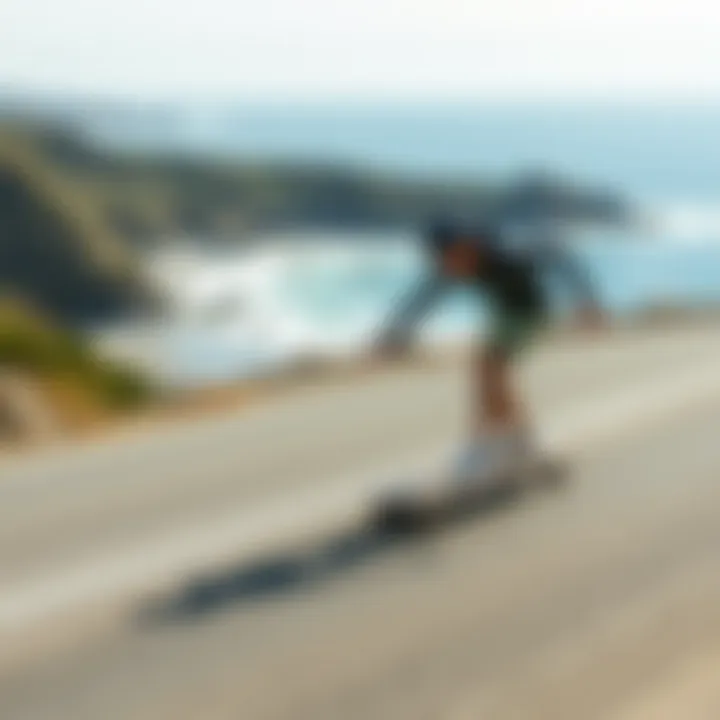
Longboarding might seem like just gliding on a board, but when you dive into the world of slides, a whole new adventure unfolds. Sliding is more than just a thrill; it’s a beautiful dance of balance, control, and technique. Each slide carries the promise of both an adrenaline rush and a deeper connection to the culture that surrounds it. This article aims to unravel the complexities of longboard sliding, providing you with insights into the various techniques, safety measures, and the significant cultural implications that shape this exciting sport.
As we journey through the sections, you’ll discover essential gear that enhances your sliding experience, the various techniques to carve your path on the asphalt gracefully, and how this ancient sport continues to evolve within the community. You’ll find that sliding is not just about the act itself, but encompasses respect for the environment and camaraderie amongst enthusiasts. Each aspect ties back to a cohesive theme: the heart and soul of longboard sliding.
Surf Gear and Equipment
Not all boards are created equal, especially when it comes to sliding. Investing in proper gear can greatly enhance your performance and safety. Here are some key components you should consider:
Latest Surfboard Technologies
Longboards designed specifically for sliding often feature cutting-edge materials and construction methods. Think about boards made from bamboo or lightweight carbon fiber, as these contribute to better flex and durability. Notably, the Landyachtz Switchblade provides an excellent combination of stability and maneuverability, making it a favorite for sliding enthusiasts.
Moreover, advancements in truck design are game-changers. Top-quality trucks, such as the Paris V2, are built to provide sharp turns and a smoother ride over bumps, enhancing your sliding experience.
Essential Accessories for Surfers
In addition to a reliable longboard, there are accessories that can make your time on the board safer and more enjoyable:
- Slide Gloves: Designed to protect your hands and allow for smoother slides. Brands like Sector 9 offer options with reinforced palms for durability.
- Protective Gear: Knee and elbow pads are essential, especially for beginners. They may not add to your style, but they sure will keep you in one piece.
- Helmet: Safety first! You can’t have too many safety measures in place, and a helmet can help avoid nasty spills.
Techniques and Skills
Mastering longboard slides is no walk in the park, but with practice and patience, anyone can do it. Here’s what you need to know about the various techniques and the crucial aspects of safety.
Sliding Techniques
- Coleman Slide: A crowd favorite, it involves leaning into the curve while sliding, providing excellent control and style.
- Stand-Up Slide: For those who like to maintain a more upright stance, this technique is key for longer slides on more advanced boards.
- Hands-down Slide: While not for the faint of heart, this technique uses one hand on the ground to stabilize and control your direction.
Learning these techniques demands practice and a fair amount of courage. Every slide teaches you something new.
Safety and Surf Etiquette
Safety in sliding cannot be overstated. Always be aware of your surroundings and practice in safe, designated areas. Moreover, the unwritten rules of surf etiquette should always be respected:
- Give way to others in communal areas.
- Acknowledge fellow riders with a nod or wave, fostering a friendly atmosphere.
- Don’t hog the best slides; share the road; it’s about building a community after all.
As you explore the exhilarating world of longboard slides, remember that mastering the techniques is just as important as ensuring your safety and being respectful to others around you.
Sliding isn’t just about the movement; it’s about the connections we forge and the respect we cultivate within our longboard family.
Longboard sliding is a culture rich in technique, safety, and community. By understanding and embracing these elements, you can truly enhance your skills and enjoy this exhilarating sport as part of a vibrant community. For more details on techniques and safety tips, consider visiting Wikipedia or Surfing Magazine for additional insights.
Foreword to Longboard Sliding
Longboard sliding has become a defining feature in the landscape of longboarding culture, offering not just a sport but a lifestyle that resonates deeply with enthusiasts. This introduction sets the stage for understanding key aspects of sliding, emphasizing its significance in the realm of longboarding. It serves as a crucial pivot for both newcomers and seasoned riders to navigate the multifaceted world of this vibrant activity.
The essence of longboard sliding encapsulates technique, creativity, and most importantly, a sense of freedom. Riders glide along surfaces, harnessing momentum and physics in ways that transform mere riding into an art form. This section will delve into what longboard sliding means, explore its origins, and highlight its impact on both individuals and the community. By breaking down these elements, we aim to equip readers with a foundational appreciation and understanding of sliding.
Defining Longboard Sliding
Longboard sliding can be defined as the act of intentionally losing traction of the wheels to create a controlled drift while maintaining balance on the board. This technique is not merely about showing off; it's about mastering a complex interplay of speed, balance, and finesse. The thrill lies in the rider's ability to combine technique with style, resulting in a dynamic performance that captivates both riders and onlookers alike.
At a fundamental level, longboard sliding involves several components—body positioning, wheel dynamics, and road conditions—all of which play a significant role in the execution of a slide. Whether it’s a simple, short slide on a flat urban pavement or a longer, sustained drift around a curve, understanding the nuances of sliding allows a rider to push their skills further.
The concept is not just confined to its technical aspects; it signifies a greater journey into the longboarding culture itself. Riders often bond over their experiences, sharing personal tips and tricks that they have learned through trial and error. It builds camaraderie within the community and enriches the experience, making each slide not just a technique, but a shared memory and note in the story of longboarding.
Historical Context
To truly appreciate longboard sliding, one must consider its historical roots. Longboarding, which originated from surfers seeking to recreate the feel of riding waves on land, slowly matured into a culture of its own. The early 1970s saw a surge in longboard use, with skateboards designed for cruising, carving, and ultimately sliding.
As the years passed, riders began experimenting with different shapes and sizes of boards, leading to the development of techniques we see today. The wheels evolved significantly; softer urethane wheels made sliding easier and more controllable, allowing riders to perform tricks that were previously unimaginable. This evolution has contributed to the growth of sliding in competitions and exhibitions, where riders showcase their skills, pushing one another to new heights.
Riding styles shifted too; as the longboard scene expanded, so did the need for diverse sliding techniques to navigate various terrains. Events like the World Skateboarding Federation’s competitions epitomize the spirit of this evolution, as riders from all over the globe gather to exhibit their skills while competing for top honors.
Understanding this historical context provides a richer perspective on why sliding is integral to longboarding culture. It’s not merely participation in a sport but partaking in a long-standing tradition that melds art, physics, and sociability into a singular experience. As we venture deeper into the techniques and cultural significance of longboard sliding, this foundation will enhance our appreciation for what it truly means to glide.
"Sliding is about more than just technique; it's a connection to the roots of longboarding and the community that thrives on it."
For further reading on longboarding history, the basics of sliding, and how to get started, you might find it useful to explore resources like Wikipedia or Britannica.
Techniques of Longboard Sliding
When one thinks about longboarding, the mind often drifts towards the thrill of speed and the smooth grace of sliding. Techniques of longboard sliding are not just about looking stylish; they are vital for mastering control on a board while carving your path. It enables riders to harness their speed, navigate tricky terrains, and express creativity. Mastery of these techniques can help avoid accidents and allow for exciting moves that elevate the overall experience
Understanding the fundamental techniques is like learning the ABCs of sliding, forming the foundation on which individual styles and advanced maneuvers are built. As one goes deeper, these skills offer a way to adapt to different environments, ensuring safety and enjoyment throughout the ride. So, whether you are just getting on your longboard for the first time or are a seasoned rider looking to refine skills, understanding and practicing these techniques will benefit anyone keen to enhance their sliding journey.
Basic Sliding Principles
At its core, basic sliding principles encompass the formulation of balance, body positioning, and timing. Mastering this set of fundamentals is akin to learning how to walk before you run. A common misstep involves shifting one's weight too early or too late during a slide. Precision is essential for maintaining balance on the board. Practicing on flatter surfaces first before trying steeper inclines helps build confidence.
The importance of weight distribution cannot be overstated. Shifting weight onto the back foot during a slide allows for maximum control and effective braking, while positioning it more centrally or forward helps in initiating speed. Each rider may find that their unique blend of shifts creates their style, similar to finding one's rhythm in music. As skaters run through the motions, understanding these motion mechanics helps translate theory into practice.
Types of Slides
Sliding techniques vary widely, each offering distinct characteristics and safety levels. Breaking it down into key types can elucidate how variation impacts performance in different scenarios.
Stand-up Slides
Stand-up slides are perhaps the most sought-after type among longboarders. This technique involves standing upright while sliding, showcasing a full-body control that feels exhilarating.
The hallmark of stand-up slides is balance. Riders often lean into their turns, using shoulder momentum to guide the board. This slide is beneficial when one aims to maintain speed or take control on a downward slope. In contrast to other techniques, performing a stand-up slide requires adequate leg strength and confidence.
However, it may come with a steeper learning curve; beginners may find themselves struggling with balance, leading to falls. Hence, it's critical to practice on smoother surfaces at lower speeds before progressing.
Drop-down Slides
Drop-down slides represent an entirely different approach. These involve dropping down from a standing position into a crouch to initiate a slide, engaging one's core and legs more than other slides.
Key here is the lower center of gravity achieved when dropping down, allowing the rider to navigate sharp turns with increased stability. This technique is often favored on steep hills, where centrifugal force plays a significant role. The impact of drop-down slides can translate into quicker stop times, enhancing control.
The primary disadvantage may arise from the initial awkwardness; not everyone is accustomed to crouching while riding. It can lead to a rapid learning curve but results in impressive mastery once achieved.
Toe-side and Heel-side Slides
Toe-side and heel-side slides delve into the realm of directional control. Toe-side slides involve the rider leaning towards the toes, while heel-side slides lean towards the heel.
These slides are crucial for navigating tight turns, allowing for a more seamless transition between directions. With the unique ability to influence balance and rapid shifts, they can be tremendously helpful on curvy roads.
Yet, they can also be tricky. Riders often find that they overcommit their weight, leading to loss of control. Taking the time to learn both slides facilitates a rounded skill set, making it easier to maneuver in varied environments.
Advanced Sliding Techniques
Once riders grasp the basics, diving into advanced techniques paves the way for both increased skill and the ability to perform complex maneuvers on the board.
Prepping for the Slide
Preparing for a slide is as much mental as it is physical. Identifying a suitable environment, understanding the terrain, and adjusting stance are key aspects. Riders may find themselves engaging in a mental checklist prior to a slide, centering on factors like speed control and terrain texture. It’s like rehearsing before a performance.


A good prep can significantly affect the smoothness of execution. Establishing a rhythm, along with awareness of surroundings, gives riders the confidence to tackle varied terrains without hesitation.
Speed Control Techniques
Speed control remains a pivotal aspect of sliding techniques, lending an invaluable skill to any rider. Learning how to slow down without completely halting brings excitement back into the ride. Techniques such as dragging a foot or using slides to scrub off speed can be particularly helpful in avoiding spills.
These techniques build a rider’s ability to maintain control throughout their slide. Success is often about timing, finesse, and being comfortable with the board’s responsiveness. Without proper speed control, a ride can quickly become unsafe, shifting from fun to frightening.
Utilizing Terrain for Slides
Every terrain presents its own character, influencing the way sliding techniques are executed. Understanding how to use the natural transitions in a given environment can elevate one's skill. Riders often practice slides on varying landscapes, like hills, flat pavement, or even off-road conditions, to adapt their approach.
Knowledge about the terrain can inform decisions about when to slide and what type to execute, maximizing fun while minimizing risk. Knowing where to find ramps or dips can turn an average ride into an extraordinary experience.
Safety Measures and Gear
When it comes to longboarding, safety measures and gear play a pivotal role. This sport, although thrilling, requires a keen awareness of safety protocols to protect riders from potential injuries. Understanding how to gear up and the necessity of safety can make a world of difference, ensuring that enthusiasts can enjoy their rides to the max.
Essential Protective Equipment
Helmets
A solid helmet is non-negotiable for anyone rolling on a longboard. Helmets are designed to guard the skull against impacts, making them indispensable. The best helmets are lightweight but robust, ensuring comfort without hindering protection. A key characteristic of a good helmet is its fit; it should sit snugly on the head, leaving no room for wiggling.
Among the benefits of quality helmets is their effectiveness at absorbing energy during a fall. Look for helmets marked with DOT or CPSC certification, which indicates they meet safety standards.
One unique feature to consider is the ventilation system, which allows airflow. This can be a game-changer during those long, sweaty rides under the sun. But there’s a trade-off; more ventilation can sometimes mean less protection from sharp impacts. In the end, a reliable helmet is not just a safety measure, it’s a fundamental piece of riding gear.
Pads and Protection Gear
Pads and protection gear come in various shapes, sizes, and materials. They serve a straightforward purpose: to cushion the rider during falls, particularly at vulnerable areas like the knees, elbows, and wrists. One standout aspect of protective gear is its ability to minimize the risks of road rash or breaks when a fall happens.
Typically made from foam and hard plastic, knee and elbow pads fit under or over clothing, offering versatile protection. They allow the rider to push their limits with some peace of mind knowing they have safeguarding equipment in place. A unique feature of some pads is the incorporation of sliding technology, allowing better movement while still providing protection.
While it’s clear that having such gear is vital, some riders complain about comfort and restriction. A less flexible pad can solve issues with motion, but at the same time, may not fully protect if it’s too loose. Thus, finding that fine line of comfort and protection is crucial for every rider.
Understanding Terrain and Conditions
Before stepping on a longboard, taking a closer look at the terrain is essential. Different surfaces, from smooth pavement to rough, cracked sidewalks, influence not just the sliding experience, but also the risks involved. It’s important to scout the area for obstacles like rocks, potholes, or uneven surfaces that could throw a rider off balance.
Weather conditions also play a critical role. Wet or slick surfaces increase the danger level significantly; moisture can lead to unexpected slips. Sunny days present a different challenge, as heat can affect grip and control, especially on certain types of wheels. Riders should always consider the environment they’re in, adjusting their techniques appropriately.
Common Injuries and Prevention
Injuries while longboarding range from minor scrapes to more serious conditions like fractures or concussions. Common injuries seen among enthusiasts include:
- Abrasions: Commonly happen when the skin meets asphalt during a fall.
- Sprains: Often occur in ankles or wrists when a rider attempts to catch themselves during a tumble.
- Concussions: Can occur from falls where the head strikes hard surfaces.
Preventive measures are vital, and emphasizing proper technique can keep many of these injuries at bay. Riders should practice controlled slides and maintain a stable stance to avoid wobbling, which often leads to falls. Moreover, awareness of one’s environment, as mentioned earlier, can dramatically lower the chances of accidents.
Ultimately, knowledge about common injuries paired with proactive measures can empower longboarders to enjoy their rides safely.
Cultural Significance of Sliding
Longboard sliding is more than just a thrilling activity or a technical skill; it's a cultural phenomenon that weaves together elements of identity, community, and personal expression. For many, longboarding represents a lifestyle choice that encompasses values of freedom, creativity, and adventure. The significance of this practice dances intricately within the larger tapestry of surf culture, contributing not only to individual expression but also fostering connections among enthusiasts.
At its core, longboarding is a fusion of sport and art. Riders can express their styles through countless sliding techniques that range from artistic to extreme. This emphasis on personal flair enriches the community, as each participant brings their unique approach to sliding. In this dynamic environment, riders share tips, tricks, and experiences, enhancing the overall culture.
Longboarding as a Lifestyle


Longboarding embodies a lifestyle that stretches beyond just riding a board. There is a distinct mentality among riders that embraces a sense of freedom, prioritizes creativity, and values mindfulness. This lifestyle often manifests in the way practitioners engage with their environments, choosing to ride in beautiful, natural settings, like coastal roads or hilly landscapes. The rolling hills, the fresh air, and the thrill of the slide contribute to a deeper connection with nature, a sentiment that resonates deeply with many longboarders.
A notable aspect is that longboarding promotes environmental consciousness. Many riders naturally become advocates for cleaner environments, aligning their lifestyle with sustainability efforts. Events like beach clean-ups or community voting for local parks emphasize this commitment to preserving the terrains they ride upon.
Community and Events
Community is the lifeblood of longboard culture, and events play a crucial role in solidifying this bond. Through gatherings, riders can connect with one another, share their passion, and celebrate their love for the sport. These local meetups often help beginners find their footing while seasoned riders can showcase their skills.
Local Gatherings
Local gatherings are a fundamental aspect of longboarding culture. These meetups often take place at familiar spots where riders congregate to slide. The charm of local gatherings lies in their accessibility and warmth. Riders share their favorite spots, trade gear, and offer tips to newcomers, fostering an inviting environment.
Such meetups serve not only as practice sessions but also as informal workshops. Riders demonstrate slides, safety techniques, and even maintenance tips, which contributes to both skill development and community bonding. There is an undeniable energy that pulsates through these gatherings, encapsulating the vibe of shared experiences.
However, local gatherings face challenges. Weather conditions, limited access to spaces, and aggrieved neighbors sometimes hinder fully-fledged meetups. Riders must remain conscientious of these factors, ensuring their gatherings remain harmonious with their surroundings while still fostering a strong sense of community.
International Competitions
International competitions elevate the culture surrounding longboard sliding, showcasing not just talent but also diversity within the sport. These events bring riders from various backgrounds together, creating an electrifying atmosphere filled with camaraderie and healthy competition. International competitions highlight different styles, motivating riders to push boundaries and innovate.
Competitions attract sponsors, creating opportunities for riders to get noticed and perhaps launch their careers in sport. International competitions possess a unique aspect of celebration, where culture, lifestyle, and sport intertwine beautifully. They often include exhibitions and demonstrations, allowing riders to showcase fresh techniques, further enriching the culture of longboarding.
Yet, the competitive nature can sometimes overshadow individual expression. Some argue that the pressure to perform may detract from the original spirit of fun and freedom that longboarding embodies. This ongoing discourse within the community prompts reflection on balancing individual creativity with the thrill of competition, ensuring that the core values of longboarding remain intact.
Environmental Considerations
In the realm of longboarding, environmental awareness is emerging as a vital topic, given the connection between outdoor sports and nature. It is essential to recognize how this exhilarating activity affects our surroundings. Not only does longboarding provide enjoyment and a sense of freedom, but it also poses certain environmental challenges that require thoughtful consideration. Understanding these challenges and implementing sustainable practices can ensure that we can continue to enjoy longboarding without harming the very environments that nurture the sport.
Sustainability in Longboarding
Sustainability is not merely a buzzword; it's becoming a fundamental aspect of sports, including longboarding. By embracing eco-friendly practices, longboarders can minimize their footprint on the planet. This can be done in several ways:
- Material Choices: Longboards made from sustainable materials, such as bamboo and recycled plastics, can reduce the environmental impact. Brands like Arbor and Landyachtz have begun producing boards with sustainable materials that appeal to eco-conscious riders.
- Local Riding: Choosing to ride in local trails rather than traveling great distances can minimize transportation emissions. Local rides not only foster a stronger community but also help keep wear and tear off delicate ecosystems in untouched areas.
- Maintenance Practices: Investing in quality gear means longer-lasting equipment, which contributes to waste reduction. Regular maintenance, repair, and upcycling can significantly extend the lifespan of boards, thus preventing them from ending up in landfills.
Understanding the significance of sustainability in longboarding can motivate enthusiasts to be responsible stewards of the environment, ensuring that the sport remains viable for years to come.
Impact of Sliding on Terrain
Sliding techniques can offer fun and excitement, but they may also impact the terrain where these stunts are practiced. Here are several considerations regarding the effects of longboard sliding:
- Surface Damage: Repeated sliding on particular surfaces can lead to erosion, especially on softer terrain like grass or dirt paths. Boarders must choose appropriate surfaces for sliding to prevent unnecessary damage and maintain the integrity of the natural landscape.
- Wildlife Disruption: If enthusiasts gravitate towards areas that are rich in flora and fauna, there may be a risk of disrupting wildlife habitats. Being mindful of where to practice can uphold the delicate balance of ecosystems that co-exist with these trails.
- Community Awareness: Communities that embrace longboarding can create guidelines to ensure land is respected. Involving local riders in the maintenance and preservation of riding areas is beneficial in promoting sustainable sliding practices.
In summary, the impact of longboarding on terrain is substantial. By choosing routes wisely and respecting the land, longboarders can enjoy their passion while nurturing the environments they cherish.
As longboards glide over pavement and terrain, it is crucial to consider our surroundings. By embedding sustainable habits and respecting the territories we enjoy, we can continue to support a culture of longboarding that respects both sport and nature.
Resources for Longboard Sliding
When diving into the exhilarating world of longboard sliding, having a solid grasp of the available resources is essential. This section illuminates remarkable tools, insights, and educational materials that can enrich your sliding experience. Whether you're just starting or looking to sharpen your skills, these resources offer invaluable support that can elevate your longboarding journey.
Recommended Gear and Equipment
Selecting the right gear can make or break your longboarding experience. Quality equipment not only enhances performance but also boosts safety. Here’s a look at some of the must-have essentials:
- Longboard: Picking the correct board is fundamental. A wider deck provides more stability during slides, while softer wheels aid grip on various terrains. Brands like LandYachtz and Sector 9 are popular among longboard enthusiasts.
- Protective Gear: Helmets are non-negotiable. Additionally, knee and elbow pads can shield against falls. The right fit is crucial; make sure to try them on and check comfort before hitting the road.
- Slide Gloves: These are designed specifically for sliding. They provide grip and protect your hands during falls. Look for gloves with replaceable pucks, which are easier on the wallet in the long run.
- A Happy Attitude: While this isn't a piece of gear, remember that a positive mindset is key. Longboarding is as much about the journey as the destination.
"Investing in the right equipment is akin to equipping yourself with the right mindset; both are paramount to mastering longboard sliding."
Further Reading and Tutorials
To truly understand and perfect the art of longboard sliding, engaging with a variety of educational resources is beneficial. Here are some recommended avenues:
- Online Communities: Websites such as Reddit (specifically r/longboarding) and Facebook groups dedicated to longboard enthusiasts can be goldmines for knowledge sharing. The collective wisdom of these communities offers insights from seasoned riders to newbies alike.
- YouTube Channels: Channels like "Longboard Lingo" provide visual tutorials that can enhance understanding of techniques. Watching experienced longboarders slide can help you grasp the mechanics much faster than text alone.
- Books and Articles: Resources like "The Complete Guide to Longboarding" on britannica.com break down nuances of styles and techniques, while articles on wikihow.com offer step-by-step guides on honing your skills.
- Workshops and Events: Participating in local workshops or even online webinars can provide hands-on experience. Events often feature expert riders offering tips that can be transformational.
In summary, knowing where to find quality resources for longboard sliding can significantly impact your journey. With good gear at hand and the right materials to boost your learning, you will be well-equipped to take on the roads and hills, enjoying each glide and turn along the way.