Motorised Water Boards: Transforming Surfing Dynamics


Intro
The world of surfing, with its waves that whisper secrets to those who listen, is on the brink of transformation. The introduction of motorised water boards is causing quite a stir on beaches around the globe, shaking up traditional conventions and injecting a fresh dose of excitement into the sport. Gone are the days when surfers battled solely against the elements; now, they can harness technology to enhance their experience on the water. This exploration delves into the mechanics, benefits, and repercussions of these innovative boards, not just for surfers, but for the broader surfing culture itself.
The blend of engineering prowess and aquatic freedom these boards represent is not merely an invitation to speed over waves, but a complete rethinking of what it means to surf. With this article, we aim to shed light on the science behind these motorised wonders, discuss their environmental impact, and contemplate what the future may hold as this trend gains momentum."
Surf Gear and Equipment
Latest Surfboard Technologies
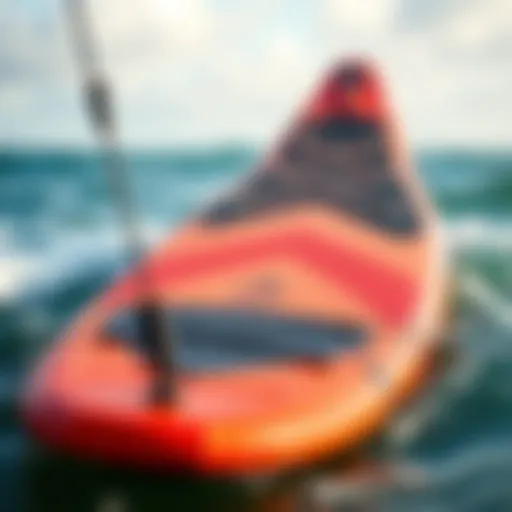
Motorised water boards are the newest kids on the block, but they come packed with features that make them stand out. Unlike traditional surfboards that rely solely on paddle strength and wave momentum, these boards incorporate small, efficient engines, often electric, that provide propulsion. Brands like Lift Foils have pioneered the electric hydrofoil surfboard, which not only glides over the water but also lifts above the surface, giving riders a taste of what it’s like to fly.
Additionally, there are various designs tailored to match different riding styles. Some boards are designed for speed, while others maintain stability and control for beginners. It's worth noting that heavier boards can handle better on rough waters, while lighter options perform great in calm conditions. A glance at recent advancements shows that motorised boards are branching into materials as well; carbon fiber constructions have made cuts in weight, enhancing the overall riding experience.
"Motorised surfboards redefine the essence of surfing, allowing riders to explore and enjoy waters that were once too challenging or remote."
Essential Accessories for Surfers
Surfing is about more than just the board; it’s also about the gear and equipment that come with it. With motorised water boards, accessories play a crucial role in ensuring a safe and enjoyable experience. Here’s what you might want to consider:
- Safety Gear: Due to increased speed, wearing a life jacket is non-negotiable. Helmets also help protect against unforeseen accidents, especially in crowded spaces.
- Leash: A good leash ensures your board stays close after a wipeout. This is crucial as the speed of these boards can carry them far if not secured.
- Battery and Charger: Since these boards run on electric power, having a spare battery can prevent a premature end to your surfing excursion.
- Wet Suits: Depending on the climate and location, a proper wetsuit not only keeps you warm but also protects you from scrapes and bruises when you inevitably fall.
Techniques and Skills
Wave Riding Strategies
Utilizing a motorised water board requires a shift in how one interacts with waves. Unlike traditional surfing, which focuses on paddling and timing, motorised boards allow for a strategic approach to riding waves. Beginners might find it easier to get up on a wave quickly and maintain speed. However, experienced surfers can incorporate elements of traditional riding with tricks that utilize the propulsion capability of the board.
Consider adjusting your stance and weight distribution; leaning forward can increase speed while shifting back can help you carve and navigate through swells. Mastering these movements can turn a novice into a proficient rider in no time.
Safety and Surf Etiquette
Engaging in surfing, particularly with motorised boards, comes with its own set of etiquette rules. These technologies can disrupt the natural rhythm of ocean rhythms and waves. Personal space while riding is paramount; collisions can lead to serious injuries.
Surfers should be mindful of where they ride, avoiding busy areas during peak surf hours. Additionally, communicating with fellow surfers is crucial. A simple nod or hand signal can forestall potential conflicts on the water. Respecting the ocean and your fellow surfers will ensure that this new wave of motorised surfing can coexist harmoniously with traditional practices.
The waves, with their ever-changing attitudes, still call for the respect and attention of every surfer, and motorised boards should enhance this profound connection.
Preface to Motorised Water Boards
Motorised water boards mark a significant shift in how surfing is approached, combining traditional skills with modern technology. These boards are not merely a new gadget in a sport beloved by many; they represent evolving dynamics that challenge both the norms of surfing and the ability of riders to connect with the water. With their increasing popularity, understanding motorised water boards becomes crucial for enthusiasts and newcomers alike.
Definition and Overview
Motorised water boards, as the name implies, incorporate an engine or motor, providing riders increased propulsion on the water. They are often designed to be more forgiving than traditional surfboards, allowing even those who might struggle with balance to enjoy the thrill of gliding over waves.
While these boards can drip with high-tech intricacies like battery management systems and customizable speeds, their primary appeal lies in moving fast and gliding effortlessly across diverse water landscapes. Some boards are equipped with electric motors that allow for cleaner, quieter rides, while others may still use gasoline engines for that classic adrenaline rush.
Historical Context
The journey of motorised water boards starts in the late 20th century. At this time, a few daring inventors began tinkering with ways to enhance water sports. Early prototypes were essentially adaptations of existing boards with small motors strapped on. These initial models were often rudimentary and not too user-friendly. However, as technology advanced, so did the water boards.
By the mid-2010s, the scene saw a gradual acceptance of these boards, particularly among enthusiasts looking to extend their time on the water regardless of skill level. Brands began investing in research and development, leading to improvements in design, efficiency, and safety features. This marked a pivotal point where motorised water boards transitioned from niche inventions to respected contributors in water sports, opening doors for new experiences. Stories of enthusiasts navigating remote coastlines or zipping through rivers at exhilarating speeds became part of casual conversation among surfers and adventure seekers.
In the backdrop of all this innovation, motorised water boards have begun to foster discussions concerning their impact on surfing as a culture, and the dynamics between tradition and modernity. Like the waves they ride, these boards continue to evolve, creating a new chapter in the history of aquatic sports.
The Technology Behind Motorised Water Boards
The advent of motorised water boards is not just an interesting twist in the world of surfing but a paradigm shift that redefines how enthusiasts interact with water. The technology behind these boards is a fabric woven with the threads of engineering, materials science, and design prowess. By dissecting the components that constitute motorised water boards, we can appreciate their performance advantages and identify considerations that shape their use and acceptance in the surfing community.
Engine Types: Gas vs. Electric
When it comes to choosing the engine for motorised water boards, two main competitors stand at the forefront: gas engines and electric motors. Each has its pros and cons, making them each suited for specific user needs.
- Gas engines are known for their power and can achieve higher speeds compared to their electric counterparts. This can thrill experienced surfers looking to ride the waves at electrifying speeds. However, they often come with various drawbacks, such as maintenance needs and a distinct fuel odor, which could disrupt the tranquility of surf spots.
- Electric motors, on the other hand, offer a quieter and more eco-friendly alternative, reducing noise pollution and enhancing the natural sounds of the ocean. While they may lag in raw speed, advances in battery technology are bridging this gap. Consumers today may lean towards electric options for their cleaner operation and lower maintenance requirements, especially in areas that are more regulated with respect to emissions.
The choice between gas and electric ultimately comes down to personal preference and performance demands. Some avid surfers may enjoy the power rush from gas engines, while others may prioritize the silence and eco-friendliness of electric motors.
Construction Materials
In the world of motorised water boards, the materials used in construction play a crucial role in performance and durability. Understanding the nuances in material selection is essential for those focused on both high performance and sustainability.
Common materials employed include:
- Thermoplastic and Fiberglass: Most boards utilize a blend of thermoplastic materials for the outer shell, protecting the inner components while ensuring flexibility and lightness. Fiberglass is often layered, giving the board its structure while keeping it buoyant.
- Carbon Fiber: Seen as the crème de la crème in material choice, carbon fiber is exceptionally light and strong, offering superior performance in terms of speed and maneuverability. However, it comes at a higher cost, potentially steering average consumers towards more budget-friendly choices.
- Aluminium and Stainless Steel Components: Elements such as propulsion systems often incorporate these metals, ensuring robustness against the demanding environment of ocean waters. Their resilience and resistance to corrosion are paramount for achieving long-lasting hardware.
Choosing the right blend of materials can augment both performance and safety, enabling riders to engage with the waters confidently and effectively.
Design Innovations
The design landscape of motorised water boards is constantly evolving, influenced by technological advances and user feedback. Innovative designs are not just about aesthetics; they're about enhancing performance and user experience.
Several key innovations shaping the design include:
- Hydrodynamic Shapes: Boards are increasingly built with streamlined profiles that reduce drag, allowing for swift navigation through water. These shapes can improve stability and control, particularly at high speeds.
- Modularity: A growing trend includes modular design, enabling users to swap out components like fins and motors, tailoring the board to specific water conditions. This flexibility allows surfers to adapt their boards for everything from small waves to choppy seas.
- Smart Technology Integration: Some boards are incorporating technology such as GPS tracking and performance analytics, allowing riders to monitor their skills and performance metrics in real-time. This feature is particularly appealing for tech-savvy surfers looking to push their limits or learn from their rides.
In the realm of motorised water boards, design innovations truly represent the cutting edge of surfing technology, blending function with flair while ensuring that every ride is both exhilarating and educational.
Performance Advantages of Motorised Water Boards
The advent of motorised water boards has significantly enriched the surfing experience, introducing a new set of performance advantages that are crucial in both competitive and recreational settings. These boards not only offer enhanced speed and agility but also push the boundaries of versatility, allowing surfers to navigate through various aquatic environments with ease. Understanding these elements is essential for enthusiasts looking to elevate their surfing skills or simply enjoy the ocean in innovative ways.
Speed and Agility
Motorised water boards are essentially designed with speed in mind. The integration of powerful engines enables riders to cut through water with remarkable swiftness. This aspect has opened the door for surfers to explore areas that were previously deemed inaccessible. With the added oomph of a motor, these boards can reach high velocities, allowing riders to catch waves more efficiently and perform aerial tricks that were once limited to traditional surfing techniques.
Several factors contribute to the impressive speed of these boards:
- Engine Power: Higher horsepower equates to greater acceleration, enabling quick starts and the ability to maintain speed against strong currents.
- Hydrodynamic Design: Most modern motorised boards emphasize sleek construction, reducing drag as they skim across the surface.
- Weight Consideration: Light materials used in construction enhance the performance, allowing quicker maneuverability on water.
The agility provided by motorisation also cannot be understated. Being able to swiftly change direction or get back on track after a miscalculation allows surfers to react better to the ever-changing nature of the ocean. The board's responsiveness translates a mere desire to glide into an exhilarating dance with the waves. This fluency reduces the learning curve for newcomers while giving seasoned surfers strategies to take on challenging waves and conditions.
Versatility in Different Water Conditions
One of the standout traits of motorised water boards is their adaptability across various water conditions. Unlike traditional surfboards that often rely heavily on the wave types, motorised boards can thrive whether in calm lagoons or turbulent seas. This versatility caters to a broader spectrum of surfers, regardless of their location or skill level.
Consider the following scenarios where motorised boards shine:
- Flat Water Excursions: On a day when the surf is flat, a motorised board can still provide an exciting ride. Surfers can zip across lakes or calm bays, exploring scenic landscapes without relying solely on wave action.
- Rough Seas: In challenging conditions, where traditional boards might struggle, motorisation offers an edge. Surfers can ride through rougher waters, using the engine to maintain control and balance, resulting in safer and more enjoyable rides.
- Trick Performances: Marine environments often dictate the kind of tricks a surfer can perform. With motorised boards, enthusiasts can take their tricks to the next level, as the propulsion allows for greater elevation and stability during aerial maneuvers.
Overall, motorised water boards revolutionise how surfers perceive aquatic sports. Their ability to adapt and perform well in diverse settings not only encourages participation but also fosters a new wave of creativity in surfing dynamics. As these boards continue to evolve, they may indeed shape the future of surfing as we know it.
Impact on Surfing Culture
Motorised water boards are not merely a trend—they are fundamentally reshaping the landscape of surfing culture. Their introduction stirs up various perspectives, prompting seasoned surfers and newcomers alike to rethink what it means to ride the waves. As these innovative boards make their way into the mainstream, the cultural implications are both intriguing and complex.
Changing the Perception of Surfing
At the heart of the discussion around motorised water boards is a changing perception of what surfing represents. Traditionalists often emphasize the purity and challenges of paddling out, while new enthusiasts may view the sport through the lens of accessibility and adventure. With motorised water boards, surfing becomes more inclusive, offering a gateway for those who may struggle with conventional techniques. Faced with a rapid-learning curve, these riders can accelerate their skills in a matter of days instead of the months or years traditionally required.
The modern surfer now navigates both the waves and the waves of public opinion. Some celebrate the advent of this technology, seeing it as an exhilarating extension of surfing; others perceive it as a compromise of its core tenets. Purist ideologies collide with innovative strides, creating a rich dialogue among surfers of all persuasions. This friction has prompted debates on social media platforms, such as Reddit, where enthusiasts gather to weigh in on the merits and detriments of these boards: Reddit Surfing Community.
Furthermore, with increased visibility comes the question of identity. Surfers who embrace motorised boards may find themselves at odds with traditional communities, leading to a redefinition of what it means to be a surfer today.
Integration with Traditional Surfing
Rather than being viewed solely as rivals to traditional surfing methods, motorised water boards can complement and enhance them. Experienced surfers are beginning to experiment by blending classic techniques with the capabilities of motorised boards. The outcome is not a replacement, but rather a fusion of styles that can open up new avenues for creativity on the water.
Surf schools, too, have begun incorporating motorised boards into their curriculum, allowing beginners to experience the thrill of surfing without overcoming the initial learning hurdles that can often be disheartening. This integration has not only diversified the sport but also created a platform for seasoned surfers to showcase their adaptability.


Additionally, surf competitions are starting to feature categories for motorised boards, further bridging the gap between traditional surfing and this emerging trend. This creates a unique spectator experience as it highlights skill sets that differ yet still resonate with the discipline and artistry of conventional surfing.
In essence, while motorised boards introduce a new dimension to the surfing community, they also push traditional surfers to evolve. The dialogue surrounding their place in the sport reveals underlying themes of innovation, acceptance, and the ever-changing nature of culture.
“Surfing is more than catching waves; it's about the experience, the environment, and the community.”
Thus, as motorised water boards continue to gain traction, they’re not simply gadgets; they symbolize a shift in thought, fostering a diverse community that celebrates both innovation and tradition.
Safety Considerations
In the world of motorised water boarding, safety stands as a cornerstone that cannot be overlooked. As thrilling as these waterboards can be—from surfing a vibrant wave to carving smooth turns—the enhanced power they bring requires a sharper focus on safety measures. Ensuring proper safety protocols is essential not just for the individuals enjoying the ride, but also for those around them.
The growing adoption of motorised waterboards has shifted the dynamics of traditional surfing. In this new arena, awareness of safety gear, potential hazards, and preventive measures is critical. As riders navigate the waters, the stakes can run high without adequate safety preparations, making knowledge and preparedness vital.
Safety Gear Requirements
Just like a champion boxer dons gloves before stepping into the ring, motorised water boarders must equip themselves with the right safety gear before hitting the waves. Essential safety gear for motorised water boarding includes:
- Life jackets: Always wear a personal flotation device suitable for water sports. It should fit snugly and allow for unrestricted movement.
- Helmets: A good helmet can protect the head in case of falls or collisions, which can happen unexpectedly.
- Wetsuits: Not only do they keep you warm, but they also offer some cushioning during falls and can provide buoyancy.
- Lanyards: This can help secure the board to the rider, minimizing the risk of losing it in the water.
It’s more than just looking the part; it’s about ensuring safety and making the most out of your time on the water.
Common Hazards and Preventive Measures
Motorised water boards can turn a sunny day on the water into a race against danger if one is not careful. Various hazards lurk beneath the surface, and being aware of them is half the battle. Common hazards include:
- Collisions: With other watercraft or even swimmers, collisions can be severe, so keeping a safe distance from others is crucial.
- Engine failure: Mechanical issues may arise, leading to unexpected stops or loss of control. Regular check-ups on the equipment can help mitigate this risk.
- Underwater obstacles: Rocks, jetties, and other submerged objects can pose threats. Avoiding unfamiliar or busy waterways can help prevent accidents.
- Weather conditions: Wind and waves can fluctuate dramatically. Checking for changing weather before heading out is always a smart move.
"Safety isn't just a priority; it's a way of thinking that should breathe throughout every wave we ride."
In terms of preventive measures:
- Conduct a pre-ride inspection of the board.
- Stay informed about local weather and sea conditions.
- Partake in a safety course if you’re new to motorised water sports.
- Communicate your plans with someone on shore, giving them an idea of where you’ll be.
Incorporating these precautions and pieces of gear exemplifies an assertive approach towards safety. Embracing the thrill of motorised water boards can be exhilarating, but with respect for the risks involved, riders can create even more enjoyable experiences.
Environmental Implications
Exploring motorised water boards brings a mixed bag of environmental implications. These boards, while providing exhilarating experiences on the water, also raise questions about their ecological footprint. Understanding these implications is crucial not only for surfers but also for anyone who values sustainable outdoor recreation. In recent years, there has been a growing concern over how such innovations might impact ecosystems, marine life, and the overall health of our oceans.
Noise Pollution Concerns
One of the main environmental issues surrounding motorised water boards is noise pollution. Unlike traditional surfing, which echoes the serene sounds of waves and winds, powered boards can disrupt the tranquil environment of the water. The hum of engines, even if they are electric, is significantly louder than the natural ambiance.
This elevated noise can have a profound effect on marine life, particularly on species sensitive to sound, like dolphins and whales. For instance, studies have shown that marine mammals rely on echolocation and other auditory cues for communication and navigation. The noise generated by motorised boards might interfere with these important behaviors, leading to disorientation and increased stress levels among these creatures.
To address these concerns, some manufacturers are attempting to design quieter engines, yet the ideal remains to strike a balance between excitement on the water and the preservation of marine ecosystems.
Impact on Marine Life
Another pressing concern is the direct impact that motorised water boards have on marine ecosystems. The physical presence of these boards can disrupt habitats and cause unintentional harm to underwater vegetation and coral reefs. In shallow waters, the wake created by the boards can lead to erosion of the seafloor, compromising fragile ecosystems that support a diversity of marine species.
Moreover, the movement of these boards near wildlife can cause stress to animals, discouraging them from nesting or foraging in the area. For example, sea turtles often traverse coastal waters during their critical breeding periods, and the presence of noisy, fast-moving vessels can deter them from returning to their nesting sites.
Taking into account the delicate nature of marine life, it becomes essential for users of motorised water boards to be aware of their surroundings and practice responsible riding. This includes maintaining a respectful distance from wildlife, adhering to designated routes, and avoiding breeding grounds whenever possible.
"Sustainable practices and educational initiatives can help bridge the gap between exhilarating water sports and the need to protect marine ecosystems."
Regulations Governing Motorised Water Boards
The rise of motorized water boards presents various legal and regulatory dynamics that are critical for both enthusiasts and manufacturers. As these boards take to the waves, the discourse surrounding regulations governing motorized water boards becomes paramount, not just for the safety of users but also for environmental sustainability and maritime order. Ensuring adherence to local and international laws will be essential for the continued enjoyment and responsible use of this innovation in water sports.
Local Laws and Restrictions
Local jurisdictions often have their own specific regulations that can greatly influence how and where motorized water boards may be utilized. These can range from licensing requirements for users to designated zones where riding is permitted. For instance:
- Licensing: Some areas may require operators to have a valid boating license, especially where motorized equipment is involved.
- Designated Riding Zones: Local authorities may restrict the use of motorized boards in crowded beaches or calm water areas to prevent accidents and protect swimmers.
- Noise Restrictions: Certain places impose strict noise regulations, which can affect the sound levels produced by motorized boards.
Surfers and riders should always be aware of their local laws to avoid fines or legal repercussions. It’s not just about staying on the right side of the law; informed riders contribute to a more respectful use of shared water spaces.


"Being informed of local regulations isn't just about compliance; it’s about protecting the very spaces we love to enjoy."
International Guidelines
On an international level, guidelines surrounding the use of motorized water boards come from organizations like the International Maritime Organization (IMO) and various environmental bodies. These guidelines aim at:
- Standardizing Safety Protocols: Many countries look toward internationally accepted safety measures to reduce incidents and enhance user awareness.
- Coordinating Environmental Protection: Global efforts to protect marine ecosystems are vital as motorized boards can significantly affect local wildlife. Guidelines on avoiding marine protected areas are becoming increasingly common.
- Promoting Sustainable Practices: International guidelines often encourage practices that prioritize environmental sustainability, urging manufacturers and users to consider eco-friendly options wherever possible, whether that’s in propulsion, materials, or waste disposal.
As motorized water boards continue to gain traction, staying informed about these international guidelines becomes essential—both for responsible enjoyment and for collective action towards better ocean stewardship. Understanding how local and international regulations intersect allows enthusiasts to navigate the waters with confidence while safeguarding their passions.
Target Audience for Motorised Water Boards
Understanding the target audience for motorised water boards is vital in uncovering their full potential within the surfing realm. These unique devices have not only attracted seasoned wave riders but also captured the interest of various individuals who may not have previously considered it a sport. Let's take a closer look at two key segments of the audience and how they interact with this innovative approach to watersports.
Beginners vs. Experienced Surfers
Beginners stepping onto the scene find motorised water boards to be an inviting entry point into the world of surfing. The ease of use that motorised boards provide allows newcomers to harness the thrill of gliding across the water without the steep learning curve associated with traditional surfing. The adjustable speed settings can be a safety net, offering a comfortable pace as they get accustomed to balancing on the board. Moreover, these boards can be used in varied water conditions, giving a beginner broader experience without the need to chase after consistent swells.
On the flip side, experienced surfers might see motorised water boards as a means to amplify their skills rather than merely rely on natural waves. For them, the ability to ride in places that may not have ideal conditions, such as flat waters or lakes, opens up a whole new world of surfing possibilities. Advanced riders appreciate the added speed and agility, providing them the chance to experiment with tricks and maneuvers that they may not have attempted before. This amalgamation of technology and skill can elevate their surfing experience, allowing them to push boundaries beyond the typical ocean adventures.
"The best part about motorised water boards? Whether you're just learning to paddle or shredding like a pro, there's something for everyone."
Targeting Eco-Conscious Enthusiasts
In recent years, the audience for motorised water boards is expanding to include eco-conscious enthusiasts. This is where sustainability takes center stage. As concerns over environmental impact grow, many surfers are looking for ways to enjoy their sport while minimizing their ecological footprint. Electrically powered boards, in particular, generate less noise and leave minimal carbon footprints compared to their gas-powered counterparts. This is becoming a strong selling point, as more avid water sports tourists prioritize environmental sustainability in their recreational activities.
Eco-conscious consumers appreciate that manufacturers are beginning to shift focus toward sustainable materials and practices in the production of these boards. Features such as recyclable components and energy-efficient battery technologies appeal to this demographic. For them, owning a motorised water board is more than just an adventure; it aligns with their values, promoting enjoyment of nature while preserving it for future generations.
In summary, the target audience for motorised water boards is diverse, ranging from newcomers eager to experience the thrill of surfing to seasoned surfers who crave new challenges. The integration of eco-friendly options also attracts individuals committed to environmental stewardship. By recognizing these varied perspectives, it becomes clear that motorised water boards have the potential to reshape surfing dynamics for a wide array of enthusiasts.
Future Trends in Motorised Water Boarding
The landscape of motorised water boarding is not set in stone. As technology advances and as more enthusiasts embrace these boards, the future holds many exciting possibilities. We should keep a close eye on the development of motorised water boards, especially since they blend surfing with the latest innovations. With environmental considerations becoming more central to discussions surrounding any outdoor activity, the evolution of the technology behind these boards has profound implications.
Advancements in Battery Technology
Battery technology is advancing faster than a fish can swim. The heart of every motorised water board is its power source, and improvements in battery efficiency will lead to longer ride times and lighter weight boards. Manufacturers are experimenting with lithium-sulfur and solid-state batteries, which promise not just longevity but also increased safety.
A key focus area is developing faster charging methods. Imagine being able to plug in your board for just thirty minutes and get enough power for a whole afternoon on the waves. Additionally, the ability to charge while out on the water could make long-haul rides a reality. As boards go, efficiency will be king.
As technology advances, so too will the performance of motorised water boards, making every outing an exhilarating experience.
Faster batteries will naturally stimulate the popularity of these products, catering to a broader audience. By improving battery solutions, manufacturers can keep their fingers on the pulse of eco-conscious consumers as well.
Evolving Design Features
Ultimately, the ride experience hinges not just on power but also upon design. Innovative features are sprouting out like grass after rain. Boards are getting sleeker, with improved hydrodynamics that let riders zip through water more efficiently. This range from subtle tweaks in the shape of the edges to more complex integrated throttle controls. Designers are more concerned than ever with enhancing both performance and user experience.
Moreover, the addition of smart technologies is transforming how people interact with their boards. Imagine a board equipped with sensors to track your speed, location, and even the water temperature around you. Such data can enhance users’ performance analysis and improve their surfing skills.
Designs that integrate sustainable materials are also gaining traction. Boards made from recycled materials do not only appeal to the environmentally cautious rider but also signify a commitment to reducing waste in the design process.
Finale: The Future of Surfing with Motorised Water Boards
As we wrap up the exploration of motorised water boards, it's apparent that these innovations are steering the future of surfing in unforeseen directions. They are not just a mere trend but rather a revolution that alters the very fabric of water sports, impacting how enthusiasts engage with the ocean. Motorised water boards offer a unique blend of technology and thrill, providing options that were once confined to the dreams of surfers and adrenaline seekers.
Summarizing Key Insights
Throughout this article, we’ve delved into the multitude of facets surrounding motorised water boards. The technology powering these devices has evolved remarkably, with electric engines becoming popular for their cleaner operation. Moreover, various design innovations, materials, and safety features enhance their usability and appeal.
Here are some key takeaways:
- Performance: The speed and maneuverability of motorised boards open up new possibilities for users, enabling them to tackle diverse water conditions.
- Cultural Shift: There’s a noticeable change in the perception of surfing; the integration of motors is bringing a new demographic to the sport.
- Safety and Environment: While safety is crucial, users must also reckon with the environmental implications such as noise disruptions and impacts on marine ecosystems.
- Regulatory Landscape: Different regions have distinct laws regarding the use of motorised boards, making it essential for users to stay informed.
"Motorised water boards engage not just a new type of rider, but redefine what surfing can be for future generations."
Encouraging Responsible Use
While motorised water boards present exciting opportunities, responsibility weighs heavily on the shoulders of users. As with any sport, understanding and respecting the environment alongside fellow water enthusiasts is paramount. Here are a few pointers for riding responsibly:
- Research Regulations: Familiarize yourself with local laws governing motorised boards in your area. This practice helps in avoiding unnecessary fines and promotes responsible usage.
- Observe Wildlife: Keep a respectful distance from marine life. It's vital to maintain their natural habitats and reduce the risk of ruining their ecosystem.
- Safety Gear: Always wear appropriate safety gear, including life vests and helmets, especially when venturing into challenging waters.
- Noise Awareness: Be mindful of the noise emitted by your board. Excessive noise can disturb marine wildlife and other water users.
- Share the Waves: Whether in bustling surf spots or quieter locations, be courteous to fellow surfers and water activity enthusiasts. Everyone enjoys their time on the water, and respecting each other's space enhances the experience.