Surfing Adventures on Costa Rica's Stunning Beaches


Intro
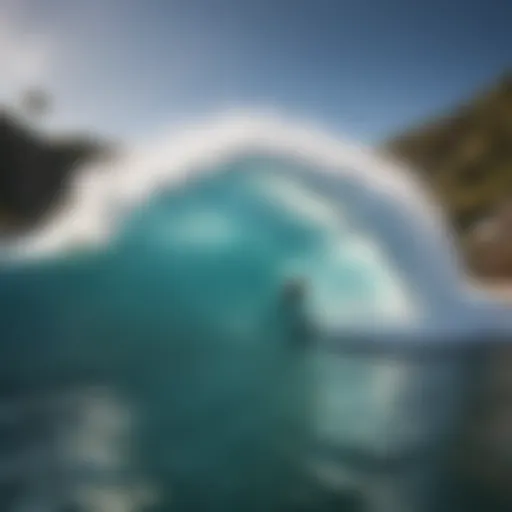
Costa Rica is not just a destination; it's a realm where land meets ocean in a spectacular dance of nature, creating perfect conditions for surfers of all levels. The vibrant surf beaches dotting this Central American haven serve as a playground for enthusiasts eager to ride the waves and embrace the local culture. Picture expansive beaches, sun-soaked sands, and a warm, welcoming community—this is the essence of Costa Rica's surf scene.
Whether you're a seasoned pro or just starting out, there's no shortage of opportunities to carve your first wave. The radiant waters of the Pacific and the tranquil Caribbean create diverse options for surfing, from beach breaks to reef breaks, each offering unique challenges and rewards. This guide aims to whisk you away on a journey through these surf beaches, highlighting not just the stellar waves but also what makes each spot distinctive. You'll discover not only the surf but the life and values surrounding it.
As you embark on this exploration of Costa Rica's surf culture, expect to learn about local communities that champion sustainability and environmental responsibility. Such focus takes the surfing experience beyond mere recreation, integrating ecological awareness into the core of surf tourism.
So, grab your board and get ready; we’re about to dive into a world of exciting waves, innovating surf gear, and essential skills that will make your experience not only enjoyable but meaningful.
Surf Gear and Equipment
Navigating the surf can be daunting without the right gear. Costa Rica's surf scene isn’t just about the waves—it's about being prepared with the best equipment suited to your needs. Understanding the latest surfboard technologies is crucial for picking the right board that suits your style and skill level.
Latest Surfboard Technologies
In recent years, the evolution of surfboards has been nothing short of revolutionary. Here are some trends to consider:
- Material Innovations: Many modern boards are made from eco-friendly materials. Companies have begun using materials like bio-resin and recycled foam as part of their commitment to reducing environmental impact.
- High-Performance Designs: Boards are now designed with advanced aerodynamics, which helps enhance speed and maneuverability on the waves. From thruster fins to swallow tails, these designs cater to various conditions.
- Smart Boards: Some manufacturers are experimenting with technology integration by embedding sensors into the boards to track performance metrics as you surf.
Choosing the right surfboard is akin to picking the right horse for a race. It must match your weight, height, and surfing style to give you the best experience.
Essential Accessories for Surfers
Now that your surfboard is sorted, let’s not forget about those essential accessories that can make your time on the water smoother:
- Leash: Keeps you connected to your board, which is especially important in crowded breaks.
- Wetsuit: Depending on the time of year, a wetsuit can help regulate body temperature in cooler waters. Consider options with varying thickness depending on the location and season.
- Sunscreen: Surfing under the sun could lead to nasty sunburns. Opt for reef-safe formulas that won’t harm the ocean life.
- Surf Wax: Not all wax is created equal; choose the right type based on water temperature to maintain grip on your board.
Familiarizing yourself with these essentials will not only enhance your surfing experience but also keep you safe and comfortable.
"The best surfer out there is the one having the most fun." — Duke Kahanamoku
As we continue this guide, the focus shifts from gear to the techniques and skills you need to navigate those vibrant waves of Costa Rica.
Prologue to Costa Rica's Surf Culture
When one thinks of Costa Rica, images of lush rainforests, exotic wildlife, and serene beaches likely come to mind. However, beneath the stunning surface lies a thriving surf culture that has steadily carved its niche in the lifestyle of this Central American paradise. Surfing is not merely a sport here; it is interwoven deeply into the fabric of local communities, economies, and identities. This introduction aims to spotlight the significance of this culture, as it sets the stage for our exploration of the diverse surf beaches bustling with energy and camaraderie.
Historical Context of Surfing in Costa Rica
Surfing in Costa Rica has a rich history, with roots tracing back to the 1950s when travelers from the United States stumbled upon its beautiful shores. Surfers like Buzzy Trent and Woody Brown introduced the practice, attracting interest not just for its exhilarating thrill but also for the tranquil environment nestled away from mainstream destinations.
As surfboards transitioned from heavy wooden contraptions to more agile fiberglass designs, the waves around Costa Rica began to attract a broader spectrum of enthusiasts—from novice paddlers to seasoned riders. The iconic beaches, particularly in the Guanacaste region, emerged as a sanctuary for both adventure seekers and those looking to embrace a more relaxed lifestyle. The unpretentious vibe and warm local interactions encouraged many people to adopt surfing as not just a pastime but as a fundamental part of life.
The Evolution of Surf Tourism
As we fast-forward to recent decades, the surf tourism industry in Costa Rica has evolved into a vital segment of the economy. It combines the passion for waves with the flourishing travel sector, drawing surfers from around the globe. Popular destinations such as Tamarindo, Nosara, and Santa Teresa offer a mix of perfect breaks, vibrant culture, and opportunities for sustainable practices.
With this evolution comes an awareness of the impact of tourism on natural resources and local communities. Surf schools, eco-lodges, and sustainability initiatives have been set up to ensure that while surfers enjoy these invigorating waves, they also respect and contribute to conserving the surrounding environment. This shift toward responsible tourism has fostered a culture where respect for nature goes hand-in-hand with the thrill of catching a wave.
"The beauty of surfing in Costa Rica is not just in the waves you ride but in the connection you forge with the land and its people."
In summary, Costa Rica's surf culture is a product of both historical influences and modern developments. As we delve deeper into the country’s surf beaches, the interplay between nature and the human spirit will reveal itself, painting a vivid picture of a destination that has become synonymous with the surf experience. The coming sections will explore notable beaches, their characteristics, and the vibrant communities that shape the surfing landscape in this coastal gem.
Top Surf Beaches in Costa Rica


The allure of Costa Rica’s surf beaches draws enthusiasts from all walks of life. The nation’s coastline not only boasts spectacular waves but also a rich tapestry of culture and community centered around the surf lifestyle. Each surf beach offers its own unique charm and nuances that appeal to both beginners and seasoned surfers. Understanding these beaches is essential for anyone seeking to experience what surfing in Costa Rica truly has to offer.
Tamarindo: A Surfing Hub
Wave Characteristics
Tamarindo is renowned for its consistent waves, which cater to surfers of varying skill levels. The primary break, known as Pico Pequeno, produces waves suitable for both beginners and experienced riders alike. That's vital because it creates a welcoming atmosphere that encourages newcomers to catch their first wave. The waves here tend to be well-formed and can accommodate long rides especially during the dry season.
What makes the waves in Tamarindo stand out is their accessibility. With the right wind patterns, the waves can build to impressive heights, reaching 6-8 feet. This fluctuation in size attracts more advanced surfers looking to challenge themselves. However, the swell can also be fickle, which underscores the importance of understanding local conditions for optimal riding successes.
Access and Amenities
The location of Tamarindo provides easy access from nearby towns, and its amenities contribute significantly to its popularity. With numerous surf schools, rental shops, and accommodations lining the beach, Tamarindo has built a solid infrastructure around surf tourism. Surfers can easily find rental boards or take lessons, making it an excellent choice for both novices and those wanting to hone their skills.
Moreover, the town is filled with restaurants and bars that cater to various tastes. The vibrant nightlife adds to the charm, yet it can sometimes overshadow the surfing experience as the days wind down. While the amenities are a boon, some might argue that this can detract from the natural beauty and tranquility one might expect at a beach destination.
Community and Culture
The culture in Tamarindo is vibrant, woven together by surf enthusiasts from across the globe. The locus of this community is the surf schools that dot the beach, each fostering a spirit of camaraderie among budding surfers. Through surf competitions and events, Tamarindo showcases local talent while also celebrating the inclusive nature of the surfing community.
A notable feature is the involvement of locals in surf-related initiatives aimed at preserving the coastline. However, the growing tourist presence sometimes causes tensions between long-time residents and newcomers. This tension highlights the necessity for balance between promoting tourism and maintaining the authenticity of the surf culture found in Tamarindo.
Nosara: The Unspoiled Treasure
Surfing Conditions
In Nosara, surfers are greeted by laid-back vibes and unspoiled beaches. The surfing conditions here reflect a tropical paradise, with consistent swell levels and less crowded waters compared to more commercialized spots. The beach, known as Guiones, boasts both mellow waves for beginners and challenging conditions for the more experienced.
What makes this beach particularly special is the stunning backdrop of lush wetlands that surround it. Here, surfers can enjoy the beauty of nature while paddling out. This natural setting, combined with the reliable surf, makes Nosara a favored spot for those who appreciate both surfing and nature’s serenity.
Environmental Awareness
Nosara stands out for its strong focus on sustainability and environmental awareness. The community actively participates in beach clean-ups and conservation programs aimed at preserving the natural landscapes that attract so many visitors. This commitment to the environment resonates well with eco-conscious surfers.
By prioritizing sustainability, Nosara attracts like-minded visitors who wish to ensure the coastline remains pristine for future generations. However, this can sometimes lead to difficult decisions regarding development in the area, balancing the needs of tourism with those of the ecosystem.
Local Conservation Efforts
The local conservation efforts in Nosara are commendable. Various organizations collaborate with residents to protect marine life and ensure the health of surrounding ecosystems. Initiatives like reforestation and marine studies are undertaken to keep the area's rich biodiversity thriving.
A unique aspect of these efforts is how they involve the surf community. Local surfers often lead educational sessions in schools, sharing their knowledge of the ocean and the importance of preserving it. Despite being a popular tourist destination, these conservation efforts embody the community’s ethos, reminding visitors to nurture their surroundings.
Santa Teresa: Surf and Sunset
Types of Waves
Santa Teresa is famous for its variety of waves, making it a magnet for surfers across all levels. The beach boasts both beach breaks and point breaks, offering various surfing environments. For instance, Playa Carmen exhibits perfect right-handers, while the northern end sees more technical left-handed waves, great for skilled surfers.
Moreover, the waves are generally consistent throughout the year, providing ample opportunities to catch a good session at almost any time. Another unique feature of Santa Teresa is the spectacular sunsets that accompany surf sessions, blending water and sky into an unforgettable experience.
Dining and Lodging Options
When it comes to dining and lodging, Santa Teresa shines with an array of options. From upscale establishments serving gourmet meals to laid-back cafes offering fresh local fare, there truly is something for everyone. Lodging ranges from luxury hotels to cozy hostels, accommodating diverse budgets and preferences.
This variety not only adds convenience but also draws foodies and travelers who appreciate good culinary experiences post-surfing. However, as demand increases, those seeking tranquility may find the growing number of establishments overwhelming.
Social Scene
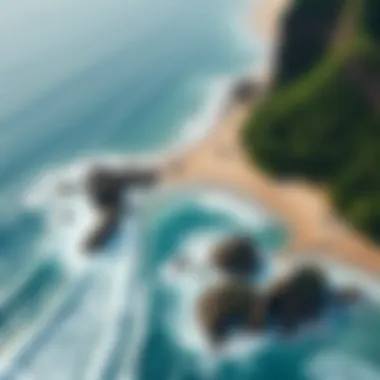

Santa Teresa has an active social scene buoyed by its surf community and effortlessly integrates into everyday life. Surf competitions and gatherings often turn into social events, fostering connections among surfers and locals alike. The dynamic atmosphere allows for a welcoming space where stories are shared, friendships blossom, and cultural exchange thrives.
However, there are times when the lively social interactions can veer into excess, with parties overflowing into the late hours, potentially disrupting the natural beauty of the surroundings. Balancing vibrant social engagement with respect for the local environment is crucial, underlining a need for mindfulness among visitors.
Jaco: The All-Rounder Beach
Breaks Suitable for All Skill Levels
Jaco Beach is uniquely positioned as a versatile surfing destination. The beach features a mix of waves catering to all skill levels, which helps loads of new surfers find their footing in the ocean. With beach breaks that ride well during low and high tides, beginners can experiment with catching small waves while more advanced surfers can tackle more powerful conditions.
This welcoming setup makes it a popular choice for surf schools, as instructors can easily provide lessons tailored to individual needs. However, the busy atmosphere can be daunting for those who prefer a more solitary experience on the waves.
Nightlife and Activities
Jaco isn’t just about surfing; it’s also a hub of activity when the sun goes down. The nightlife here is electrifying, with bars and clubs buzzing with energy and offering a range of entertainment options from live music to dance floors. This lively aspect draws a younger crowd, eager for both day surfing and night celebration.
While the nightlife can add fun and excitement to a surf trip, it can also detract from the surfing experience the following day, leading to tired surfers looking to catch waves. Thus, there is a fine line between enjoying the nightlife and prioritizing sufficient rest for early-morning surfing.
Community Involvement
The community in Jaco is marked by its diverse population and vibrant surf culture. Local residents welcome surfers with open arms, often participating in surf-related charity events or hosting community surf days. This strong sense of community involvement makes for a richer surf experience, connecting visitors with locals.
However, rapid commercialization can sometimes overshadow community efforts. It speaks volumes about the continuous pursuit of balancing tourism development with preserving the essence of what makes Jaco attractive to surfers and the surrounding community alike.
Surfing Conditions: What to Expect
Understanding the surfing conditions in Costa Rica is paramount for anyone keen on riding its waves. With its diverse coastline, the conditions can shift dramatically from one beach to another. Knowing what to expect helps surfers find suitable spots that match their skill levels. It can make the difference between an exhilarating ride and a surly experience. Surfers, sports enthusiasts, and travelers alike must appreciate the unique climatic and geological factors that influence surfing here.
Peak Surf Seasons
Costa Rica's surf season mainly comes in two parts: the dry season and the rainy season. The dry season, from December to April, is often heralded as the prime time for surfers. During these months, waves tend to be consistent and reliable, making them perfect for both beginners and advanced surfers. Specific beaches like Tamarindo and Jaco showcase some of their best conditions during this timeframe, with swells reaching their peak.
On the flip side, the rainy season, stretching from May to November, can be perfect for those who like a bit more challenge. The waves might not be as predictable, yet this time of the year brings in diverse swells and larger waves, particularly on the Pacific side. Surfing at Santa Teresa or Nosara during these months usually means encountering some big sets, which attracts more experienced riders.
To sum it up, many surfers tailor their trips to align with these seasonal changes:
- December to April: Consistent waves, ideal for all levels.
- May to November: Larger, more unpredictable waves, suited for seasoned surfers.
Wind and Wave Patterns
Wind and wave patterns play a significant role in defining surfing experiences in Costa Rica. The country experiences constant trade winds, primarily blowing from the east. These winds create specific conditions for surf breaks, affecting wave shape and rideability. For instance, beaches like Pavones, known for having one of the longest left-hand waves in the world, often benefit from optimal wind conditions in the mornings.
Moreover, understanding how waves build and break is crucial. The wave patterns vary depending on geographic formations and the ocean floor structure, which ensures that some beaches have wave shapes that are better suited for various styles of surfing.
"Each wave has its own character, shaped by the winds, tides, and the ocean floor beneath it. Understanding these nuances can enhance the riding experience exponentially."
Some key points to consider:
- Offshore winds can create clean, well-shaped waves conducive to long rides.
- Onshore winds can make for choppy conditions, often better suited for more advanced surfers who can adapt.
Being mindful of these conditions aids surfers in preparing adequately and ensures that every surf session could potentially become a memorable ride.
Sustainability in Surf Tourism
Sustainability is a growing concern for surf tourism, in Costa Rica and beyond. The delicate balance between enjoying the waves and protecting the coastal ecosystems is critical. It’s not just about having fun on the water; it’s about ensuring that future generations can enjoy the same experience. When surfers choose sustainable options it promotes a healthier environment, supports local communities, and can even enhance one’s own surfing experience. The wave of responsibility starts with awareness and the choices surfers make while enjoying the sun and surf.
Overcoming Environmental Challenges


Coral Reef Protection
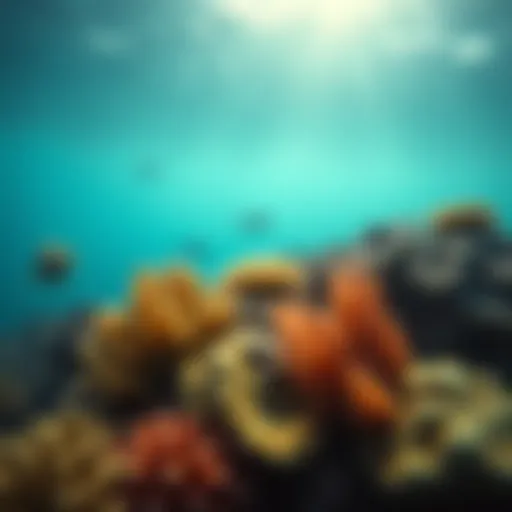
Coral reefs are among the most sensitive ecosystems on the planet. In Costa Rica, initiatives focused on coral reef protection have gained traction due to their ecological significance. Reefs help to prevent coastal erosion and provide shelter for countless marine species. A key characteristic of these initiatives is the establishment of marine protected areas, where fishing and other potentially harmful activities are restricted. This practice not only nurtures the habitat but also ensures the longevity of local fish populations, which benefit the fishing community.
However, these areas can come with unique challenges, including tourism pressure and funding for ongoing maintenance. The net gain from such projects has often proved beneficial, as healthier reefs attract more marine life, consequently enhancing the surfing experience.
Pollution Mitigation
Pollution mitigation focuses on reducing the negative impact of waste and toxins on coastlines. This can include beach clean-ups, recycling programs, and stricter regulations on waste disposal. A standout characteristic is the collaboration between local surfers and environmental organizations, aiming to raise awareness about the pollutants that affect coastal waters. While the practice of pollution mitigation is widely seen as beneficial, some challenges lurk beneath the surface. For example, during rainy seasons, runoff can carry more pollutants into the ocean, which is something surfers deal with when they catch their next wave. Nonetheless, the advantages of cleaner beaches and healthier waters should not be overlooked, as they lead to a better overall surfing experience.
Promoting Responsible Surfing Practices
Promoting responsible surfing practices means encouraging surfers to minimize their environmental footprint. This might involve choosing eco-friendly surf gear, such as boards made from sustainable materials, or supporting local businesses that practice responsible tourism. Additionally, educating surfers about respecting wildlife and local habitats is essential.
- Use reef-safe sunscreen to prevent harm to marine life.
- Stick to established trails and paths to avoid damaging fragile ecosystems.
When surfers actively engage in responsible practices, they contribute to the broader dance of coexistence with nature. This shared responsibility helps to foster a community that values and protects its environment—the very essence of surfing culture in Costa Rica.
"Surfers are custodians of the coast; their love for the ocean drives them to protect it at all costs."
For deeper learning about these topics, try exploring comprehensive resources like the National Oceanic and Atmospheric Administration (NOAA) or discussions on Reddit.
Ultimately, being mindful of sustainability in surf tourism contributes not just to the waves, but to the vibrancy of the whole ecosystem.
Cultural Influences in Surfing
Surfing in Costa Rica goes beyond just riding waves; it's a rich tapestry woven with cultural threads that connect local communities, express artistic creativity, and embrace a lifestyle that thrives on both adrenaline and environmental awareness. The cultural influences on this sport shape the experience for surfers and tourists alike. Here, we delve into how these elements come together to enrich the surf culture in Costa Rica.
Integration of Local Communities
The bond between the surf community and local residents is palpable in every wave ridden along Costa Rica’s coastline. Surfers aren’t just visitors; they’re part of a larger narrative that includes fishermen, artisans, and families who have called these shores home for generations. This integration enriches the surfing experience by fostering deeper connections among those who share the waves.
The local communities often welcome surfers, leading to a symbiotic relationship that empowers both sides. Many surf schools, like Safari Surf School in Nosara, employ local instructors who share their knowledge and culture. Engaging with locals can also provide insights into secret surf spots, ensuring a more authentic experience.
Additionally, events such as the International Surfing Association World Surfing Games, held in places like Jaco, showcase not only the surfing talent but also the vibrant cultural heritage. Local festivals, music, and food intertwine with surfing to create unforgettable memories that extend beyond the waves.
Art and Expression Within the Surf Lifestyle
Surf culture in Costa Rica also thrives through art and expression. The aesthetic of surfing transcends the ocean; it permeates local art forms, fashion, and even environmental initiatives. Bright murals often adorn surf shacks and local businesses, symbolizing the lively spirit of the surf community. This artistic expression isn't just for show; it tells stories of the land, the sea, and the people.
Moreover, surfboards themselves become canvases for creativity. Artists collaborate with surfers to paint designs reflecting local wildlife, landscapes, or even abstract expressions of emotion tied to the ocean. Companies like Dead Fish Surfboards cultivate this connection by hosting art showings and surfboard exhibits that celebrate both craftsmanship and artistic influences.
In Costa Rica, the surf lifestyle is not just about the waves; it’s about the culture that surrounds them, from local artistry to the daily interactions between surfers and residents.
This focus on artistic expression and localized culture enhances the overall surfing experience. When surfers embrace the nuances of local art and the stories behind them, they gain a more profound understanding of what it means to surf in this paradise. Surfers who engage in such cultural exchanges often leave Costa Rica not only as better surfers but also as stewards of its rich and colorful heritage.
End: The Future of Surfing in Costa Rica
As we stand at the crossroads of environmental consciousness and exhilarating surf culture, the future of surfing in Costa Rica looks promising yet preserved by the delicate balance of nature. This country, renowned for its pristine beaches and consistent wave patterns, serves as a mosaic where culture and nature interwire intricately. To be superficial about the topic would be to overlook the intricate framework supporting this ecosystem, so let’s dive into the essential components shaping the future of surfing in this Central American paradise.
Emerging Trends and Predictions
Gazing into the crystal ball, a few trends are already surfacing within the surf community in Costa Rica. One cannot ignore the growing emphasis on technology. Surf forecasting apps, such as Magicseaweed and Surfline, are revolutionizing how surfers scout the waves. What used to require a seasoned local’s intuition can now be accessed at the tip of your fingers.
Moreover, the diversification of surf schools caters to a wider audience—from toddlers riding small foam boards to seasoned pros seeking advanced techniques. This expansion will likely lead to an increase in surf-centric tourism as people flock from all over the globe to hone their skills in paradise.
There's also an observable shift towards inclusivity in surfing. More women and individuals from diverse backgrounds are now part of the scene, driven by the rise of female surf influencers and global campaigns promoting equal representation in sports. As this trend grows, Costa Rica may see surf festivals and competitions that spotlight these diverse talents, enriching the tapestry of local surf culture.
Encouraging a Sustainable Future
With growth comes responsibility. Costa Rica’s surf beaches are often frequented, and the environmental impacts of increased tourism cannot be glossed over. Surfing is not just a sport; it’s a lifestyle deeply embedded within nature. Therefore, encouraging sustainable practices becomes paramount for the longevity of this coastal treasure.
Local communities and businesses are taking strides to foster sustainability within surf tourism. Initiatives such as beach clean-up events organized by NGOs and surf shops are creating a ripple effect of awareness and action. Programs aimed at educating surfers about minimizing their ecological footprints can provide real benefits. Making small adjustments, like choosing eco-friendly sunscreen and reducing plastic waste, contributes to preserving the area.
Governments and non-profits, too, are now stepping in to support various conservation efforts. For instance, protecting coral reefs through restricted areas and restorative programs not only benefits marine life but also enhances the surfing experience by ensuring healthy ecosystems.