Understanding Pterygium Eye Problems: A Detailed Guide
Intro
Pterygium is more than just a medical term; it’s a condition that affects the eyes of countless individuals, especially those who spend a lot of time outdoors. As we dive deeper into this topic, we’ll uncover its significance in eye health and discuss how environmental factors may play a role. Surfers, travelers, and anyone indulging in outdoor activities should have a clear understanding of how pterygium can impact their lives and what preventive measures can be taken.
This condition manifests as a fleshy growth on the conjunctiva, the thin membrane covering the white part of the eye. In many cases, it may go unnoticed until symptoms become apparent—irritation, redness, or even vision impairment. As such, having a firm grasp on the symptoms, causes, and available treatments is crucial for maintaining excellent eye health, especially for those frequently exposed to elements like sun and wind.
This article will explore the nature of pterygium, providing a comprehensive guide to recognizing its symptoms, understanding its causes, and discussing available treatment and preventive measures. Through this analysis, readers will be better equipped to manage the impacts of pterygium, making informed decisions about their eye care.
Let’s embark on this journey towards understanding, starting with the gear and equipment that can help mitigate the condition's effects, particularly for surfers and outdoor enthusiasts.
Defining Pterygium
Understanding pterygium is crucial for anyone concerned about eye health, specifically those who spend ample time outdoors, like surfers and sports enthusiasts. Pterygium isn't just a medical term; it's a condition that can significantly impact one's vision and quality of life. By defining what pterygium is, including its nature and causes, individuals can better appreciate the potential impact it has on their daily lives.
What is Pterygium?
Pterygium is a benign growth of tissue that forms on the surface of the eye, typically on the conjunctiva, which is the clear membrane covering the white part of the eyeball. This growth, often shaped like a wing, can extend onto the cornea and potentially obstruct vision. While pterygium is not cancerous, its presence can lead to discomfort, irritation, and inflammation. Some people may develop multiple pterygia, especially in areas with high sun exposure. The symptoms range from watering and redness to a gritty sensation, reminiscent of having sand in the eye. Those who notice such signs should not hesitate to seek professional help, as the condition can worsen over time.
Historical Perspectives
The history of pterygium reveals a longstanding recognition of this eye condition, dating back to ancient civilizations. Documentation from the Egyptians and Greeks indicates an early understanding of various eye ailments, including pterygium. In the past, treatments were rudimentary, often involving herbal remedies and basic surgical procedures. Within the past century, medical science has made great strides, establishing more effective surgical techniques to remove pterygium while prioritizing the preservation of vision. Today, we understand how environmental factors, particularly exposure to ultraviolet light and chronic irritation from wind and dust, contribute to its development. This historical context underscores the importance of acknowledging pterygium's roots while equipping ourselves with modern knowledge to address the condition effectively.
Causes of Pterygium
Understanding the causes of pterygium is essential for anyone wanting to safeguard their eye health. The development of pterygium is often linked to a mix of environmental, genetic, and lifestyle factors. Identifying these causes can help individuals take proactive steps to minimize their risk and avoid the discomfort associated with this condition. As we delve into this topic, one can appreciate how these elements interweave, contributing to the health of one's eyes.
Environmental Factors
Sun Exposure
Sun exposure is a significant player in the development of pterygium. Prolonged periods under the sun, especially in areas with intense ultraviolet (UV) rays, can exacerbate the risk. The sun’s rays are not just harmful to the skin; they can affect the eyes as well. Some studies have shown that people living in sunny regions report higher incidences of pterygium. It’s essential for surfers and outdoor enthusiasts to understand this, as their recreational activities often involve direct and prolonged sun exposure. The unique feature of this risk is that it can often lead to not just discomfort but potentially significant vision impairment over time if not addressed appropriately.
Wind and Dust
Wind and dust can be just as detrimental as the sun, particularly for those who spend time in open environments, like surfers or construction workers. The wind can dry out the eyes and irritate the conjunctiva, which may contribute to the growth of pterygium. People who engage in activities where dust is prevalent may find that this physical irritation, combined with other factors, creates an environment ripe for eye problems. Moreover, those exposed to windy conditions without proper eye protection are placing themselves at increased risk.
UV Radiation Effects
Unlike regular light, UV radiation has longer wavelengths that can penetrate deeper into the tissues of the eye. It has been well documented that UV exposure contributes to ocular conditions, including pterygium. The biological effects of UV rays might lead to inflammation of the conjunctiva, ultimately leading to tissue growth. For surfers and outdoor sports enthusiasts, understanding the implications of UV radiation is vital, as many may underestimate their actual exposure while engaging in sports on the water or beach. The advantage of recognizing these effects is that it empowers individuals to take protective measures, such as wearing appropriate sunglasses or choosing UV-blocking gear.
Genetic Predispositions
While the environment plays a major role in the development of pterygium, genetics should not be overlooked. Some individuals may have a hereditary tendency towards this condition, which does imply a biological component. Understanding your family history can offer insights into your risk factors. This means knowing whether family members have experienced similar eye issues might urge one to be more vigilant.
Lifestyle Considerations
Occupational Risks
Certain jobs expose individuals to higher risks for pterygium. For instance, farmers, construction workers, and those in industries that require outdoor work are often subjected to harsh environmental conditions exacerbated by sun, wind, and dust. The recurring exposure can lead to chronic eye irritation and potential pterygium growth. The unique concern here is that while these individuals might enjoy their chosen careers, they might also want to incorporate protective habits to minimize risks.
Recreational Activities
Similar to occupational hazards, recreational activities can dramatically influence eye health. For surf enthusiasts and beachgoers, the combination of sun, wind, and water can lead to increased rates of pterygium. The thrill of these activities can sometimes overshadow the need for eye protection. Here lies a critical aspect of lifestyle choices—balancing enjoyment with proactive health measures is necessary to ensure long-term eye health. Adopting simple strategies, like wearing protective eyewear while participating in outdoor sports, can significantly reduce the chance of developing eye problems like pterygium.
Symptoms and Diagnosis
Understanding the symptoms of pterygium is crucial for early recognition and management of this eye condition. Many people may first become aware of the growth when it is already noticeable, making it essential to identify the signs before they escalate into more serious problems. Recognizing these symptoms promptly not only helps patients seek proper treatment but also enhances awareness of the condition in communities, especially among those likely to be affected, such as surfers and outdoor enthusiasts.
Recognizing Symptoms
Visible Growth on the Eye
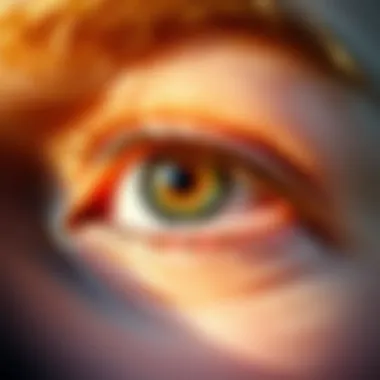
A noticeable hallmark of pterygium is the growth itself, which appears as a fleshy tissue over the clear conjunctiva of the eye. Often starting at the inner corner, this growth can gradually extend across the cornea, which can be alarming for many. The key characteristic of this growth is its triangular shape, giving it a distinctive appearance that should not be overlooked.
One primary reason this aspect is highlighted is its visibility; it’s one of the first signs that leads individuals to seek medical advice. When examing for pterygium, eye care professionals specifically look for these formations, as they can be indicative of the progression of the condition. However, while the growth itself is typically harmless in the beginning, patients should be wary of changes that could suggest complications, such as pain or visual impairment.
Some unique features of this visible growth include:
- Appearance: The flesh-toned, sometimes red or inflamed appearance may create aesthetic concerns for individuals.
- Location: Its common location, inner eye corner, makes it more noticeable in social situations.
- Size Increase: Over time, these growths can become larger, leading to more significant discomfort or complications.
Overall, while its presence can be distressing, recognizing its early signs is essential for timely intervention and management of the condition.
Irritation and Inflammation
Irritation and inflammation are other prominent symptoms associated with pterygium. Individuals may experience a gritty or foreign body sensation in their eye, often leading to discomfort. This characteristic makes it a prominent symptom to discuss, as it directly impacts a person's quality of life.
This irritation arises because the pterygium may cause the eye surface to become dry and prone to inflammation, especially in windy, dusty, or sunny environments. Its common occurrence among surfers is particularly notable, given their frequent exposure to harsh environmental conditions.
The unique aspect of this symptom is that it can vary in intensity based on environmental factors. For example:
- Windy Weather: Increased irritation levels may be reported when engaging in surfing or similar activities.
- Sunlight Exposure: UV exposure can exacerbate symptoms.
- Dust: High dust areas can worsen the inflammation.
Recognizing these irritative symptoms is crucial, especially for those regularly outdoors, as they may need tailored management strategies to mitigate these discomforts. Ignoring them could lead to further complications, making awareness and timely intervention important for eye health.
Diagnostic Procedures
To accurately diagnose pterygium, several procedures are commonly employed. These diagnostic steps not only confirm the presence of the condition but also help in assessing its severity, leading to better management practices. Understanding these diagnostic procedures is vital for anyone experiencing symptoms
Ophthalmic Examination
The ophthalmic examination is typically the first step in the diagnostic process. In this procedure, an eye care professional closely observes the visible surface of the eyes using a specialized instrument known as a slit lamp. The characteristic triangular growth can be easily identified during this thorough examination.
What makes this procedure particularly advantageous is its non-invasive nature. Patients may feel at ease knowing the examination does not require any surgical intervention; rather, it serves as a straightforward way to evaluate eye health.
A unique feature of the ophthalmic examination includes:
- Detailed Visualization: This allows for comprehensive evaluation of the growth's size, location, and impact on surrounding eye structures.
- Prevention Insight: It can also identify other related ocular conditions.
Overall, this examination plays a significant role in establishing a diagnosis and directing timely treatment.
Patient History
Understanding the patient's history is an equally important aspect of diagnosing pterygium. It allows healthcare providers to gather relevant information about symptoms, duration, and any environmental exposures. This history helps to build a clearer picture of the patient’s risk factors and lifestyle habits that may contribute to the condition.
The benefit of this diagnostic element lies in its capacity to inform both the physician and the patient about potential preventative measures and treatments.
Key points addressed within the patient history include:
- Duration of Symptoms: Knowing how long the individual has experienced the growth can indicate progression.
- Family History: Genetic predisposition can be vital information to share.
- Environmental Exposure: Insights into work and recreational activities can pinpoint potential contributory risk factors.
Ultimately, a thorough patient history, combined with medical examination, supports a comprehensive understanding of pterygium and paves the way for effective management strategies.
Treatment Options
The treatment of pterygium focuses on alleviating symptoms, preventing progression, and preserving vision. It's crucial to understand the available options because timely intervention can prevent further complications. Treatment options broadly fall into conservative management, which includes non-invasive methods like the use of eye drops and sunglasses, as well as surgical procedures that become necessary in advanced cases.
Conservative Management
Eye Drops
Eye drops play a pivotal role in the conservative management of pterygium. These drops often contain artificial tears, which help soothe irritation and dryness caused by the growth. One notable characteristic of these eye drops is their ability to provide immediate relief to the affected individual. Many people find eye drops to be a beneficial choice because they can be easily accessed over the counter and used without a prescription.
There are also anti-inflammatory drops which may alleviate swelling and redness. However, patients should note that while eye drops have the advantage of being readily available, they do not eliminate the pterygium itself; rather, they manage symptoms. They work well for many, but should be seen as a temporary measure rather than a long-term solution.
Sunglasses
When it comes to pterygium prevention, sunglasses are invaluable. Protecting the eyes from harmful UV rays and environmental irritants is key in managing pterygium. Quality sunglasses that offer UV protection are a smart choice. Their primary function is to shield the eyes from the sun, which is a significant contributor to the condition. An important feature of sunglasses is their ability to reduce exposure to wind and dust, making them a popular choice among outdoor enthusiasts, including surfers.
While sunglasses can significantly cut down the risk of developing pterygium or preventing it from worsening, it is vital to ensure they have proper UV blocking capabilities. Not all sunglasses provide adequate protection. Moreover, maintaining consistent usage can be a challenge for some, making awareness of this issue essential for everyone, especially those frequently in sunny locations.
Surgical Interventions
Indications for Surgery
Surgery may become necessary when pterygium causes significant discomfort, affects vision, or continues to progress despite conservative treatment. Knowing the indications for surgery is critical, especially for those at risk, such as surfers or people living in sun-drenched areas. The main characteristic here is the extent of growth and associated symptoms. Surgical intervention is often seen as a beneficial option because it can remove the problematic tissue and improve overall quality of life.
However, patients should balance the risks and benefits carefully, as surgery, while effective, doesn’t guarantee that pterygium won’t return. In many cases, this becomes a critical decision where discussing the options thoroughly with an eye specialist is paramount to understanding the necessity.
Post-Surgical Recovery
After surgery, the post-surgical recovery process can greatly influence the outcome. Adequate recovery is essential to minimize the risk of recurrence and ensure the best possible healing. This phase typically involves attending follow-up appointments, using prescribed eye drops, and avoiding certain activities that may strain the eyes.
A notable characteristic of post-surgical recovery for pterygium is that it aims to lessen discomfort and promote healing through a detailed care regimen. For many, the beneficial aspect of recovery is the eventual restoration of clear vision and comfort. On the flip side, some individuals may experience challenges such as temporary blurred vision or discomfort, making it essential to have realistic expectations.
Ultimately, understanding the available treatment options for pterygium is crucial not only for effective management but also for enhancing one’s overall quality of life. By considering both conservative management and surgical interventions, individuals can make informed decisions tailored to their circumstances. If you want to learn more, resources such as American Academy of Ophthalmology or WebMD can provide additional insights.

Preventive Measures
When discussing pterygium, it's essential to emphasize that being proactive can significantly reduce one’s risk of developing this eye condition. Preventive measures are not just a best practice; they are crucial for anyone exposed to environments that may exacerbate eye issues, particularly surfers and outdoor enthusiasts. By understanding and adopting effective measures, individuals can maintain better eye health and minimize discomfort.
Protective Eyewear
Using suitable protective eyewear is a cornerstone in the prevention of pterygium. Sunglasses are more than just a fashion statement—they represent a critical defense mechanism against harmful environmental factors.
Types of Sunglasses
Choosing the right types of sunglasses can make a world of difference in protecting your eyes. Polarized sunglasses are particularly beneficial for those who spend a lot of time near water, as they reduce glare significantly, allowing for clearer vision and reduced strain. The lenses also block out a substantial amount of UV radiation, a feature that cannot be overlooked, given the prime role of UV exposure in the development of pterygium.
- Key characteristic: Polarized lenses diminish glare and enhance clarity.
- Unique feature: They have a protective coating that absorbs most UV rays, hence protecting the cornea and conjunctiva.
- Advantages: Enhanced visibility and reduced eye strain.
- Disadvantages: They can be pricier compared to regular sunglasses, but the investment in eye health is well worth it.
UV Protection Essentials
Understanding the fundamentals of UV protection is essential when selecting sunglasses. UV protection encompasses the ability of lenses to filter harmful rays, preventing them from reaching the eyes. Sunglasses labeled with 100% UV protection or UV400 are best.
- Key characteristic: Offers comprehensive defense against both UVA and UVB rays.
- Unique feature: This level of protection helps stave off various eye problems beyond pterygium, including cataracts and macular degeneration.
- Advantages: Prolonged exposure to UV protection can significantly improve long-term eye health.
- Disadvantages: Some individuals may find this specific eyewear less stylish or bulky than other types.
Environmental Awareness
Being aware of your surroundings plays a significant role in eye health. For example, surfers often encounter intense sunlight and wind, which can exacerbate the risk of pterygium. Understanding surfing conditions and weather patterns provides insight that can help surfers protect their eyes effectively.
Surfing Conditions
The conditions while surfing can have a profound impact on eye health. High levels of UV radiation, coupled with wind and saltwater, present a triple threat to your eyes. When the sun is shining brightly and the waves are calling, it’s easy to ignore the potential risks. Yet this neglect can lead to unnecessary long-term consequences, including the growth of pterygium.
- Key characteristic: Intense sunlight and wind can catalyze eye irritation and conditions like pterygium.
- Unique feature: The combination of UV exposure and environmental elements makes appropriate protective measures vital.
- Advantages: This awareness compels surfers to take precautionary steps, such as wearing appropriate eyewear.
- Disadvantages: Surfers may sometimes skip protective gear, which could lead to negative health outcomes.
Weather Patterns
Weather patterns directly context the level of UV exposure and other environmental factors affecting surfers and outdoor athletes. On sunny days, especially during summer months, the UV indexes can climb alarmingly high, leading to more potent rays impacting unprotected eyes.
- Key characteristic: Certain times of the day, particularly midday, have higher UV radiation levels.
- Unique feature: Understanding how clouds or other weather patterns can reflect sunlight, increasing exposure risk.
- Advantages: Staying informed about weather patterns can prompt timely protective measures.
- Disadvantages: Weather changes can be sudden, making it difficult to prepare consistently.
Routine Eye Care
Finally, consistent eye care should not be neglected when discussing preventive measures against pterygium. This involves regular consultations with an eye specialist and adopting a routine that prioritizes eye health. Not only does routine eye care allow for early diagnosis, but it also sets the stage for preventive strategies tailored to the individual's unique circumstances. Regular checkups, eye drops for moisture, and familiarity with symptoms can all enhance overall eye health, effectively fending off potential issues like pterygium.
Long-Term Outlook
The long-term perspective on pterygium is crucial for patients, especially those engaging in activities that expose them to the sun, wind, and other environmental irritants. Understanding the implications of this condition over time can not only inform treatment choices but also shape lifestyle adjustments. When one acknowledges the potential for recurrence, it becomes clear why regular eye check-ups and lifestyle modifications are paramount.
Prognosis and Recurrence
Pterygium is known for its tendency to come back after treatment, regardless of whether one opts for conservative management or surgical intervention. The rate of recurrence can vary based on factors such as the initial size of the growth and the method of treatment chosen. Reports suggest that recurrence rates can be as high as 50% in some cases after surgical excision. Thus, understanding this aspect is important. It's like trying to keep a crab apple from sprouting in your yard; even after a good pruning, it may just pop back up again.
Keeping an eye on lifestyle choices can also play a significant role in the prognosis. Surfers and others spending time outdoors might need to be especially vigilant. Those who frequently expose their eyes to harmful environmental conditions increase the likelihood of new pterygium growths. Hence, preventive measures should never be taken lightly. Regular consultations with an eye specialist ensure that any warning signs are addressed promptly, making a significant difference in managing recurrence.
Impact on Quality of Life
Pterygium doesn't just affect vision; it can alter a person's overall life experience. The discomfort caused by inflammation or irritation can lead to avoiding activities that once brought joy, particularly for those who are passionate about outdoor sports like surfing. Imagine a surfer unable to catch waves due to persistent redness and irritation in their eyes; that’s not just about vision, but about quality of life.
Moreover, there is an emotional toll that comes with fluctuating vision and the fear of further eye problems. Anxiety over potential vision loss can haunt one’s daily life, causing a sense of vulnerability. Support networks—be it friends, family, or even fellow surfers who understand this struggle—can be invaluable. They not only provide encouragement but also share coping strategies that can ease one's mental burden relating to eye health.
"An ounce of prevention is worth a pound of cure." This saying rings especially true when it comes to managing the long-term outlook on pterygium. By staying proactive, one can navigate the waters of eye health much more smoothly.
In summary, knowing the long-term implications of pterygium empowers individuals to take charge of not just their eye health but also their overall well-being. Regular check-ups, awareness of recurrence, and emotional support can significantly enhance the quality of life for those affected.
Exploring the Connection to Surfing
The connection between pterygium and surfing is not just a passing detail—it’s a fundamental aspect that impacts the eye health of surfers around the globe. Surfing represents more than a mere pastime; it’s a trend, a lifestyle, and not without its risks. For those who carve through ocean waves, the exposure to environmental factors plays a crucial role in developing eye conditions, particularly pterygium. This section dives into how surfing activities can influence the incidence of pterygium, as well as the awareness that exists within the surf community.
Incidence Among Surfers
Surfers are often at the mercy of the elements. Whether it’s the relentless sun, brisk winds, or particles of sand and saltwater that splash against their eyes, these external factors contribute significantly to the prevalence of pterygium. A commonality in coastal regions, studies have found that surfers are six times more likely to develop this eye condition compared to their non-surfing counterparts.
- Environmental Stress: Prolonged exposure to ultraviolet (UV) rays is a substantial risk factor. The water's surface reflects sunlight, increasing UV exposure.
- Physical Activity: The act of surfing, with its dynamic movements, means surfers spend extended periods outdoors, making them more susceptible.
- Geographic Influence: Surfers in tropical and subtropical locales are especially vulnerable due to consistently higher levels of solar radiation.
As surfers enjoy their sessions, they must heed this potential risk that lurks beneath the surface of their cherished sport.
Awareness in the Surf Community
It's essential for the surf community to foster a culture of awareness regarding eye health, particularly concerning pterygium. While tubers and surfers often prioritize their physical well-being through fitness and nutrition, the implications of sun exposure on eye health can slip through the cracks. Fortunately, awareness is growing.
- Educational Campaigns: Workshops and demonstrations on the importance of protective eyewear have become more common at surf competitions.
- Peer Influence: Fellow surfers sharing their experiences with pterygium can encourage more individuals to seek eye examinations and implement preventive measures.
- Informed Choices: Many surfers are now considering UV-blocking sunglasses and hats when out on the waves. The phrase "better safe than sorry" rings true here; prevention is simpler than treatment.
Awareness is power. The more surfers understand the risks, the better they can protect their vision while enjoying their time in the ocean.
By acknowledging the increased risk factors and taking proactive steps, the surf community can enjoy their beloved sport while maintaining their eye health. Understanding the connection between surfing and pterygium not only promotes a healthier lifestyle but also allows this active community to thrive.
As we move forward, it is crucial that surfers embrace awareness initiatives and educate themselves on the ways to mitigate the adverse effects sun exposure can have on their eyes.
Emotional and Psychological Aspects
Addressing the emotional and psychological aspects of pterygium is crucial, as eye health is not just a matter of physical wellness but profoundly ties into one’s overall quality of life. The appearance of pterygium can instigate feelings of anxiety and self-consciousness, particularly when the growth alters the eye's aesthetics. This emotional burden can be especially pronounced among individuals, such as surfers and outdoor enthusiasts, whose identity and lifestyle revolve around visual clarity and comfort. Recognizing this psychological dimension helps to create a holistic approach to treatment and care.
Coping with Vision Changes
When one starts experiencing changes in their vision due to pterygium, it can be a tough pill to swallow. Those used to clear sight might find the gradual shifts daunting. Visual disturbances might not only affect day-to-day errands but also hobbies that rely heavily on visual acuity, like surfing or photography. Furthermore, the unpredictability of worsening symptoms can create a sense of insecurity.
Users often report feelings of frustration as they navigate activities they once took for granted. Simple tasks, such as reading fine print on a surfboard or scanning the horizon for waves, can become challenging. To cope with these changes, individuals may explore various strategies:
- Adaptive Techniques: Learning new techniques to function better can help, such as adjusting the reading distance for small texts or utilizing polarized sunglasses to reduce glare.
- Mindfulness Practices: Engaging in mindfulness or meditation can be beneficial. Techniques that encourage focusing on the present may reduce the anxiety linked to vision changes.
- Consulting Professionals: Regular check-ups with an eye specialist can provide reassurance and a clear plan forward, allowing individuals to feel more in control of their circumstances.
A supportive mindset from family and friends plays a significant role. It’s important to share these feelings, whether through casual conversation or support groups, helping to validate the emotional experiences encountered.
Support Networks
Building a supportive network is essential for emotional well-being when managing eye conditions like pterygium. Engaging with others who share similar experiences can have a positive ripple effect when it comes to coping.
Support networks can take various forms:
- Family and Friends: Having someone who understands your concerns can make a world of a difference. Offering encouragement and empathy can foster resilience.
- Online Communities: There are forums and social media groups tailored for those dealing with pterygium. Websites such as Reddit can provide a space to share stories and advice. Connecting with others who understand can offer unique perspectives and practical tips.
- Professional Help: Counseling or therapy can provide coping mechanisms and strategies tailored to individual experiences, especially for those feeling overwhelmed by changes in their vision.
The emotional journey following a pterygium diagnosis is deeply personal yet widely shared. The avenues for support are numerous, and embracing them can lead to an improved outlook not just on one’s health but also on life itself. Having a community to lean on only strengthens one’s ability to face the challenges head-on.
Culmination and Final Thoughts
The exploration of pterygium eye problems brings us to a crucial juncture where understanding, prevention, and treatment align. This article has commented on various aspects of pterygium, shedding light on its nature and significance in overall eye health. Given its prevalence, especially among individuals engaged in outdoor activities such as surfing and those who live in sunny climates, the awareness surrounding this condition cannot be overstated. It’s not just about knowing what it is; it’s about recognizing how it affects the daily lives of many.
Importance of the Topic
Awareness of pterygium extends beyond merely recognizing symptoms or identifying treatment options. It implies a responsibility—one that individuals have towards their eye health. For surfers and outdoor enthusiasts, understanding pterygium's connection to environmental factors is essential. This knowledge serves as a reminder to take precautionary measures.
Furthermore, preventative actions, like wearing appropriate UV-blocking sunglasses and being conscious of environmental risks, play a fundamental role in maintaining eye health. The insights laid out through this article endeavor to equip readers with the necessary knowledge to safeguard their vision. It emphasizes the proactive mindset required to ensure that one can continue enjoying their passions without undue risks to their health.
Key Benefits for the Reader
- Informed Decision-Making: With the right information, individuals can make better choices about their eye care.
- Enhanced Quality of Life: By recognizing and addressing potential eye issues early, one can mitigate risks that may lead to long-term vision problems.
- Empowerment Through Knowledge: Understanding pterygium fosters an empowered community that can share and support each other in navigating eye health concerns.
Considerations about The End and Final Thoughts
It is vital for readers to appreciate that pterygium, while it might seem rather commonplace, can have significant implications if left unchecked. The road to prevention and treatment is steered by informed awareness. Those engaged in lifestyle activities that heighten exposure to sun and wind should routinely check in with eye health professionals, making eye examinations as vital as checking a surf report. This proactive approach can help stave off serious complications down the road.
"Prevention is better than cure." - This age-old adage rings true when it comes to eye health. An ounce of prevention could save you from a pound of pain.
The contents of this article should serve not only as an educational resource but also as a call to action for the targeted audience: surfers, sports enthusiasts, environmental advocates, and travelers. As you embark on your next adventure, remember that taking care of your eyes ensures that you can continue to admire the horizon ahead.
In summation, understanding pterygium and its implications fosters a culture of better eye care, paving the way for healthier futures amongst outdoor enthusiasts. Keep your eyes on the waves, but don’t forget to shield them from the elements.